
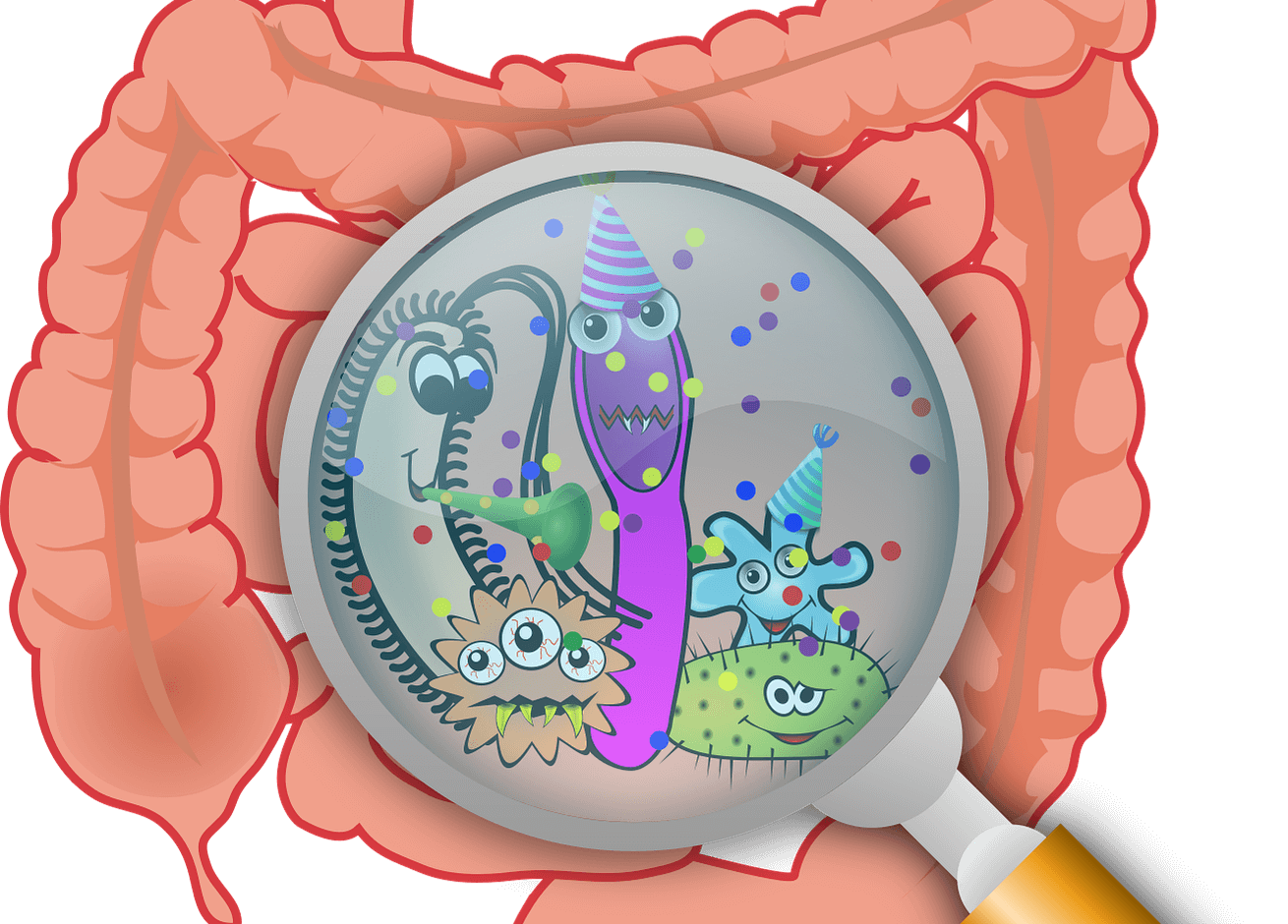
If you’re looking for a natural, food-based way to boost your digestive wellness, how to use fermented foods at home to improve gut health naturally is the excellent question to ask. Fermented foods are rich in live microbes (or their metabolic byproducts) and can enhance the diversity and stability of your gut microbiome. In this article, we’ll explore the science behind fermented foods, list gut-friendly options, and, most importantly, walk you through practical steps at home so that you can start improving your gut health naturally today.
Why Fermented Foods Matter for Gut Health
Enhancing Microbial Diversity
One of the core benefits of fermented foods is their capacity to increase gut microbial diversity. In a controlled dietary intervention, subjects who consumed a diet rich in fermented foods saw a measurable rise in microbiome alpha diversity, along with reduced levels of systemic inflammation.
Moreover, reviews of the literature indicate that fermented foods are among the most accessible dietary strategies to modulate the gut microbiome safely.
Strengthening Gut Barrier & Reducing Inflammation
Beyond microbes themselves, fermented foods produce a variety of metabolites (sometimes called “postbiotics”) that can support intestinal barrier integrity and immune regulation.
Research also suggests the fermentation process can reduce or transform components like FODMAPs or gluten, which might otherwise trigger gut irritation in sensitive individuals.
Caveats and Individual Responses
It’s worth noting that not all fermented foods are created equal. Some commercial products are pasteurized or filtered, which kills live microbes, reducing their probiotic potential.
Also, individual responses vary: introducing fermented foods too quickly can trigger gas, bloating, or digestive discomfort as the gut adjusts.
Common Fermented Foods That Support Gut Health
Adding fermented foods to your diet is one of the easiest and most effective ways to nurture your gut microbiome. These foods are rich in probiotics, beneficial bacteria that help balance the gut, support digestion, and strengthen your immune system. Below are some of the most well-researched and accessible fermented foods you can enjoy at home or find in your local grocery store.
Yogurt and Skyr (with Live Cultures)
Yogurt and its Icelandic cousin, skyr, are among the most popular probiotic foods. When labeled “with live and active cultures,” they contain beneficial bacteria such as Lactobacillus bulgaricus and Streptococcus thermophilus, which help maintain healthy gut flora and improve lactose digestion.
Kefir
Kefir is a fermented milk beverage that contains an impressive mix of bacteria and yeasts, making it more diverse in probiotics than most yogurts. Studies suggest kefir may improve lactose tolerance, enhance immune defenses, and reduce gut inflammation.
Sauerkraut
Made from fermented cabbage, sauerkraut is one of the oldest forms of fermented food. The unpasteurized kind is teeming with live microorganisms that promote gut balance and support vitamin synthesis, particularly vitamin C and K. Choose raw, refrigerated sauerkraut to ensure the probiotics remain active.
Kimchi
A staple in Korean cuisine, kimchi is a spicy mix of fermented vegetables such as cabbage, radish, and scallions seasoned with chili, garlic, and ginger. It’s rich in lactic acid bacteria that aid digestion and may reduce cholesterol levels. Its variety of ingredients also provides antioxidants and fiber for overall gut and heart health.
Kombucha
Kombucha is a fizzy, tangy tea fermented with a symbiotic culture of bacteria and yeast (SCOBY). It’s often praised for supporting liver detoxification and gut microbial diversity. However, look for low-sugar, refrigerated brands with “live cultures” on the label for maximum benefit.
Miso
Miso, a Japanese seasoning made from fermented soybeans, rice, or barley, offers both umami flavor and gut-supportive benefits. It’s a source of probiotics, minerals, and amino acids. Add miso to soups or dressings, but avoid boiling it, high heat can destroy beneficial microbes.
Tempeh
Originating from Indonesia, tempeh is a fermented soybean cake with a firm texture and nutty flavor. It’s rich in protein, probiotics, and prebiotics, fiber that feeds beneficial gut bacteria. Tempeh also improves mineral absorption and is a great plant-based meat alternative.
Nattō
Nattō is another traditional Japanese food made from fermented soybeans, known for its strong flavor and sticky texture. It’s rich in Bacillus subtilis bacteria, which may improve digestion and support cardiovascular health by producing vitamin K2. Other fermented soy products offer similar microbiome-boosting benefits.
How to Enjoy These Foods
You can easily incorporate fermented foods into your daily routine:
-
Add a spoonful of sauerkraut or kimchi to salads and rice bowls.
-
Blend kefir or yogurt into smoothies for a probiotic boost.
-
Sip kombucha as a refreshing afternoon drink.
-
Whisk miso into salad dressings or stir it gently into warm soup.
-
Use tempeh in stir-fries, tacos, or sandwiches for a gut-friendly protein source.
Including a mix of these foods regularly helps diversify your gut microbiota, improve digestion, and support long-term health.
How to Use Fermented Foods at Home to Improve Gut Health Naturally
Ready to take your gut health into your own hands? Making and using fermented foods at home is easier than you might think, and the rewards are delicious. Fermentation is a time-tested, natural process that preserves food while creating probiotics, enzymes, and beneficial acids that support a healthy digestive system. Below is a step-by-step guide to help you get started confidently.
1. Start with Simple Ferments
If you’re new to fermentation, begin with a few easy, low-maintenance recipes. These require minimal equipment and are highly forgiving for beginners:
-
Sauerkraut: just cabbage and salt.
-
Fermented pickles: cucumbers or other firm vegetables soaked in salt brine.
-
Yogurt or kefir: using live cultures or starter grains.
These simple ferments allow you to learn how temperature, salt concentration, and time affect the process, without the pressure of precision. Once you understand the basics, you can move on to more advanced ferments like kimchi, miso, or kombucha.
2. Gather Equipment and Ingredients
You don’t need expensive gadgets to start fermenting at home. A few clean, everyday items will do the trick:
Essential tools:
-
A clean glass or ceramic jar with an airlock or a breathable lid (you can use cheesecloth secured with a rubber band).
-
Non-iodized salt such as sea salt or kosher salt.
-
Fresh vegetables or fruit, choose firm, high-quality produce like cabbage, cucumbers, or carrots.
-
Starter culture (optional but helpful), this can be a bit of whey, leftover brine from a successful batch, or a commercial starter culture to ensure consistent results.
-
Weights to keep your ingredients submerged below the brine, preventing spoilage.
Cleanliness is crucial: Always use sanitized containers and utensils. Contamination from dirty tools can introduce unwanted microbes that spoil your ferment.
3. Follow the Basic Fermentation Process (for Vegetables)
Here’s how to make a simple vegetable ferment, such as sauerkraut or pickled carrots:
-
Wash and chop your vegetables.
-
Massage or dry-salt them using about 1–3% salt by weight (roughly 1–2 teaspoons per pound of vegetables). The salt draws out natural juices, forming the brine.
-
Pack the mixture tightly into your jar, pressing down until the vegetables are fully submerged beneath the brine.
-
Add a fermentation weight to keep everything submerged.
-
Cover the jar loosely with an airlock lid or breathable cover. This allows gases to escape while keeping out contaminants.
-
Ferment at room temperature (64–72°F / 18–22°C) for several days to several weeks, depending on taste.
-
Taste periodically. When it reaches your desired tanginess, refrigerate to slow further fermentation.
The longer it ferments, the tangier and softer it becomes. A pleasantly sour aroma is normal, while a foul or rotten smell means it should be discarded.
4. Scaling Up: Yogurt, Kefir, and Other Ferments
Once you’ve mastered the basics, try branching out into dairy or other specialized ferments:
-
Yogurt / Kefir: Use a small amount of store-bought yogurt or kefir with live cultures as a starter. Maintain a warm environment (about 104°F / 40°C) for several hours until thickened, then refrigerate.
-
Miso / Tempeh / Soy Ferments: These are advanced ferments that require specific cultures and temperature control. Try these only after gaining experience with simpler recipes.
-
Kombucha: Made from brewed tea, sugar, and a SCOBY (symbiotic culture of bacteria and yeast). It ferments for 7–14 days and produces a naturally fizzy, probiotic-rich drink.
Each type of ferment uses slightly different microbes and environmental conditions, so research and follow a trusted recipe for best results.
5. Introduce Fermented Foods Gradually
As beneficial as fermented foods are, it’s best to start small, especially if your gut isn’t used to them yet.
-
Begin with 1 tablespoon per day, and increase slowly to 1–3 tablespoons or more as tolerated.
-
Add them as condiments or sides to your meals, mix sauerkraut into salads, stir yogurt into smoothies, or use kimchi as a flavorful topping.
-
Rotate between different ferments for greater microbial diversity and to keep meals interesting.
Gradual introduction helps your digestive system adjust and prevents bloating or discomfort.
6. Monitor and Adjust
Pay attention to how your body responds:
-
Mild gas or bloating at first is normal, it means your gut microbes are adapting.
-
If symptoms are excessive, scale back and reintroduce slowly.
-
Those with SIBO (small intestinal bacterial overgrowth), immune conditions, or chronic gut issues should consult a healthcare provider before increasing fermented food intake.
From a food safety perspective, trust your senses: a pleasantly sour, earthy aroma is normal, but discard any batch that smells rotten, develops mold (other than harmless white yeast film), or looks slimy.
7. Storage and Consumption Tips
Once your ferment reaches the flavor you like, transfer it to the refrigerator. Cold temperatures slow the activity of microbes, preserving flavor and extending shelf life.
-
Most ferments last for several months in the fridge.
-
Avoid heating or pasteurizing them above 113°F (45°C), as this can destroy beneficial bacteria.
-
When buying commercial fermented foods, look for “live and active cultures” on the label, and avoid heavily processed or pasteurized options.
Homemade fermentation is as much an art as it is a science. Once you’ve learned to recognize the sights, smells, and textures of a healthy ferment, you’ll find it’s one of the most rewarding and natural ways to improve your gut health, and enjoy real, living food.
Common Fermentation Mistakes and How to Avoid Them
Even though home fermentation is simple, it’s still a living process, and small missteps can affect your results. Fortunately, most mistakes are easy to avoid once you know what to watch for. Below are some of the most common fermentation issues and how to fix or prevent them.
1. Using Iodized Salt or Chlorinated Water
Why it’s a problem:
Iodine and chlorine can inhibit or kill beneficial bacteria, leading to failed or uneven fermentation.
How to fix it:
Always use non-iodized salt (like sea or kosher salt) and filtered or dechlorinated water. You can remove chlorine by boiling and cooling the water or letting it sit uncovered for 24 hours before use.
2. Not Keeping Vegetables Submerged
Why it’s a problem:
Fermentation is an anaerobic process, meaning it needs an oxygen-free environment. If your vegetables are exposed to air, mold or spoilage bacteria may grow.
How to fix it:
Always weigh down your vegetables with a clean glass or food-safe weight to keep them below the brine. If brine levels drop, add more salted water (about 1 teaspoon salt per cup of water) to maintain full coverage.
3. Sealing the Jar Too Tightly
Why it’s a problem:
During fermentation, carbon dioxide builds up inside the jar. If it can’t escape, pressure may cause leaks, or worse, break the jar.
How to fix it:
Use a fermentation lid or airlock that allows gases to escape safely. If you’re using a regular lid, “burp” the jar daily during the first few days to release built-up gas.
4. Fermenting in Temperatures That Are Too Hot or Too Cold
Why it’s a problem:
Temperature affects the speed and flavor of fermentation. If it’s too cold, fermentation slows or stops. Too warm, and your food may spoil before beneficial bacteria can establish themselves.
How to fix it:
Keep your ferment in a cool, dark place between 64–72°F (18–22°C). In hot climates, consider using a basement, wine cooler, or insulated box to maintain a stable temperature.
5. Using Dirty Utensils or Containers
Why it’s a problem:
Contaminated tools introduce unwanted bacteria or mold, which can ruin your batch.
How to fix it:
Wash all tools, jars, and weights thoroughly with hot soapy water, rinse well, and let them air dry. Avoid touching fermenting food with unwashed hands or metal utensils (use clean wooden or plastic tools instead).
6. Ignoring Early Warning Signs
Why it’s a problem:
Ferments can go bad if warning signs are missed. Common issues include slimy texture, unpleasant odors, or visible fuzzy mold.
How to fix it:
Trust your senses. A pleasantly sour, earthy smell is normal. Discard the batch if it smells rotten, rancid, or yeasty in a foul way. If you see mold growing (fuzzy white, black, or green patches), it’s safest to start over.
7. Eating Too Much Too Soon
Why it’s a problem:
Fermented foods can be strong at first, especially if your gut isn’t used to them. Consuming large amounts at once can cause gas, bloating, or stomach cramps.
How to fix it:
Start small. Begin with 1 tablespoon a day and increase gradually as your gut adjusts. Over time, your tolerance and gut microbiome diversity will grow naturally.
8. Heating or Cooking Fermented Foods
Why it’s a problem:
High heat kills beneficial bacteria, reducing the probiotic benefits of your homemade ferments.
How to fix it:
Add fermented foods after cooking, not during. For example, mix sauerkraut into salads or add a spoonful of kimchi to a finished stir-fry just before serving.
9. Expecting Every Batch to Taste the Same
Why it’s a problem:
Fermentation is a natural, living process influenced by temperature, time, and even the microbes in your kitchen. Slight differences between batches are normal.
How to fix it:
Keep a fermentation journal to note your methods, ingredients, and timing. Over time, you’ll learn what conditions create your favorite flavors and textures.
10. Giving Up Too Early
Why it’s a problem:
Beginners often toss their first batch because it looks or smells unusual, but not all odd appearances mean failure.
How to fix it:
Do some research before throwing out a batch. A harmless white film (called kahm yeast) is common and can be skimmed off safely. Learn the difference between natural changes and real spoilage, experience is the best teacher in fermentation.
Best Practices and Tips for Better Results
Once you’ve started fermenting at home, a few simple habits can take your results from “good” to “amazing.” Fermentation is a living process, each batch is slightly different, shaped by your ingredients, environment, and technique. By following these best practices, you’ll create more consistent, flavorful, and probiotic-rich ferments that truly support your gut health naturally.
1. Use a Variety of Substrates
Diversity is key, not just for your gut, but for your jars, too. Rotating ingredients like cabbage, radish, beet, carrot, cucumber, and even turnip encourages different species of beneficial microbes to thrive. This variety helps cultivate a broader range of probiotics, each offering unique benefits for digestion and immune balance.
Try mixing vegetables in the same batch (for example, cabbage with carrots or beets) to develop richer flavors and textures. The more diversity you introduce to your ferments, the more diverse your gut microbiome becomes.
2. Maintain a Stable Temperature
Temperature plays a big role in how your ferments develop. Beneficial lactic acid bacteria thrive best between 64–72°F (18–22°C). When temperatures fluctuate too much, such as a warm day followed by a cool night, it can slow the process or cause off-flavors.
To help maintain consistency:
-
Keep jars in a cool, shaded spot away from direct sunlight or heat sources.
-
If your kitchen runs warm, place jars in an insulated cooler or a shaded pantry.
-
During colder months, wrap jars in a towel or store them in a slightly warmer area.
A steady environment creates stable microbial growth, which means tastier, safer ferments every time.
3. Seed New Batches with Brine or Leftover Ferment
Once you’ve successfully completed a batch, you can use some of its brine or liquid to kick-start your next one. This method, known as backslopping, introduces an already thriving community of beneficial bacteria, helping your next ferment stabilize faster and resist spoilage.
Just add a few tablespoons of leftover brine to your new batch before sealing it. This works especially well for fermented vegetables and pickles. Over time, this practice helps you maintain a robust microbial lineage that becomes uniquely yours, a little like a family sourdough starter for your gut!
4. Taste Frequently and Trust Your Senses
Fermentation isn’t an exact science, it’s a balance between biology and artistry. Every environment and vegetable batch is different, so tasting regularly helps you learn when your ferment has reached the flavor and tanginess you prefer.
Start tasting after a few days, then every day or two after that. When it’s pleasantly sour, crunchy, and aromatic, it’s ready to refrigerate. Remember: your taste buds are the best indicators of when fermentation is “just right.”
5. Track Your Gut Responses in a Food Log
Fermented foods affect everyone differently. What feels energizing and soothing for one person might cause mild bloating in another, especially at the start. Keeping a simple food and gut health journal helps you identify which ferments make you feel your best.
Note how you feel after eating each type (sauerkraut, kefir, kimchi, etc.), including changes in digestion, energy, and mood. Over time, you’ll find your personal “sweet spot”, the types and amounts of fermented foods that best support your individual microbiome.
Pro Tip:
Consistency is key to long-term gut health. Small, daily servings of varied, live-culture foods can make a bigger impact than occasional large portions. Listen to your body, nurture your microbes, and enjoy the process, because the art of fermentation is as much about self-discovery as it is about health.
Expected Benefits and Timeline
When you begin incorporating fermented foods into your daily diet, you’re not just adding flavor, you’re nurturing an entire ecosystem inside your body. Your gut microbiome, a community of trillions of bacteria and microorganisms, plays a vital role in digestion, immunity, and even mood regulation. Fermented foods act like reinforcements for this internal ecosystem, helping it flourish naturally over time.
Short-Term Benefits (Within a Few Weeks)
With consistent daily intake, most people begin noticing subtle but meaningful changes within just a few weeks. These may include:
-
Improved digestion and regularity, as beneficial bacteria help balance intestinal flora.
-
Reduced bloating and gas, thanks to enhanced microbial diversity and better breakdown of food.
-
More consistent stool texture and frequency, signaling smoother digestive transit.
Even small amounts, such as a few tablespoons of sauerkraut, a glass of kefir, or a daily serving of yogurt, can begin shifting your gut microbiome toward a healthier balance. During this phase, it’s common to experience mild digestive adjustments as your system adapts to new beneficial bacteria.
Medium to Long-Term Benefits (After 2–3 Months)
Over the course of two to three months, the effects often become more noticeable and holistic. Regular consumption of fermented foods has been linked to:
-
Higher overall energy levels, due to better nutrient absorption and reduced digestive strain.
-
Reduced inflammation, as beneficial microbes help regulate immune signaling and lower inflammatory markers.
-
Fewer gut-related symptoms, such as discomfort after meals, irregular bowel movements, or food sensitivities.
-
Enhanced mental well-being, as a balanced gut microbiome supports the gut–brain axis, which influences mood and focus.
Your progress will depend on your baseline gut health, genetics, diet quality, and lifestyle factors like stress and sleep. Some individuals experience faster improvements, while others may need more time for their microbiome to adjust.
In summary:
With consistency, patience, and a little curiosity, fermented foods can transform your digestive health from the inside out. Most people start noticing digestive comfort within a month, and deeper systemic benefits by the two- to three-month mark, a gentle reminder that true healing takes time, but every spoonful moves you closer to balance.
Conclusion
Using fermented foods at home is a practical, low-cost, and science-backed method to support gut health naturally. By starting with simple ferments (like sauerkraut or yogurt), introducing them gradually, and paying attention to your body’s responses, you can build microbial diversity, support digestion, and potentially reduce gut inflammation over time.
Frequently Asked Questions (FAQ)
1. What are fermented foods, and how do they help gut health?
Fermented foods are foods transformed by beneficial bacteria, yeast, or fungi through a natural process that enhances their flavor and nutritional value. This process produces probiotics, live microorganisms that can help balance gut bacteria, support digestion, and strengthen the immune system.
2. How long does it take to see results from eating fermented foods?
Most people begin noticing improvements in digestion, reduced bloating, and better regularity within 2–4 weeks of consistent intake. Research also suggests that microbiome diversity and reduced inflammation can occur after about 10 weeks of regularly consuming fermented foods.
3. How much fermented food should I eat per day?
If you’re new to fermentation, start small, about 1 tablespoon daily, and gradually increase as your gut adjusts. Over time, you can safely enjoy 1–3 tablespoons or servings per day, depending on your comfort level and tolerance.
4. Can I make fermented foods at home safely?
Yes! Home fermentation is easy and affordable when done correctly. Use clean glass jars, non-iodized salt, and fresh produce. Keep food submerged under the brine, ferment at a stable temperature, and discard any batches that smell foul or show mold growth.
5. Are store-bought fermented foods as good as homemade ones?
Not always. Many commercial products are pasteurized or heat-treated, which kills beneficial microbes. For maximum probiotic benefit, look for labels that say “raw,” “unpasteurized,” or “contains live and active cultures.”
6. Can fermented foods cause side effects?
Some people may experience temporary gas, bloating, or mild digestive discomfort as their gut microbiome adjusts. These effects usually subside over time. If you have a compromised immune system, SIBO (small intestinal bacterial overgrowth), or a serious gut condition, consult a healthcare provider before introducing fermented foods.
7. What are the easiest fermented foods for beginners?
Start with forgiving and low-risk ferments such as:
-
Sauerkraut (fermented cabbage)
-
Fermented pickles (cucumbers in salt brine)
-
Yogurt or kefir (with live cultures)
These are simple to make and don’t require special equipment.
8. Can I mix different types of fermented foods in my diet?
Absolutely! In fact, rotating between different types, like kimchi, kefir, sauerkraut, and kombucha, can increase microbial diversity and deliver a broader range of probiotics and nutrients to your gut.
9. How do I store fermented foods properly?
Once your ferment reaches the desired taste and tanginess, refrigerate it to slow down further fermentation. Keep it sealed, submerged, and consume within a few months for best quality and microbial potency.
10. Are fermented foods safe for everyone?
Most people tolerate them well, but those with histamine intolerance, autoimmune disorders, or serious digestive diseases should exercise caution. Always check with a medical professional if you’re uncertain.
Disclaimer
The information provided in this article, “How to Use Fermented Foods at Home to Improve Gut Health Naturally,” published on Health Home Remedies Guide, is intended for educational and informational purposes only. It is not a substitute for professional medical advice, diagnosis, or treatment.
Always consult your physician, registered dietitian, or qualified healthcare provider before making any changes to your diet, especially if you have existing medical conditions, weakened immunity, or are taking prescription medications.
While fermented foods are generally safe for most people, they may not be suitable for everyone. If you experience adverse reactions such as severe bloating, nausea, or allergic responses, discontinue use and seek medical attention.
Health Home Remedies Guide strives to share reliable, research-based information; however, individual results may vary, and we make no claims to cure, treat, or prevent any disease.
By using the information in this article, you acknowledge that you do so at your own discretion and risk.
Similar Articles
- Best Herbal Teas for Better Digestion and Gut Health (Updated 2025 Guide)
- Natural Remedy for Acid Reflux at Night
References
- Stanford School of Medicine: Fermented-food diet increases microbiome diversity, decreases inflammatory proteins, study finds
- Nature Briefing: Fermented foods and gastrointestinal health
- Cedars-Sinai: The Health Benefits of Fermented Foods, From Kimchi to Kefir
- Stanford School of Medicine: Fermenting the Facts: A Science-Based Guide to Fermented Foods
- Health, People Inc.: What Happens to Your Gut Health When You Eat Fermented Foods Regularly
- Martha Stewart: The 8 Best Fermented Foods for Gut Health, According to Experts
- Healthline: 8 Fermented Foods and Drinks to Boost Digestion and Health
- EatingWell: 7 Must-Eat Fermented Foods for a Healthy Gut
- Wikipedia: Nattō