
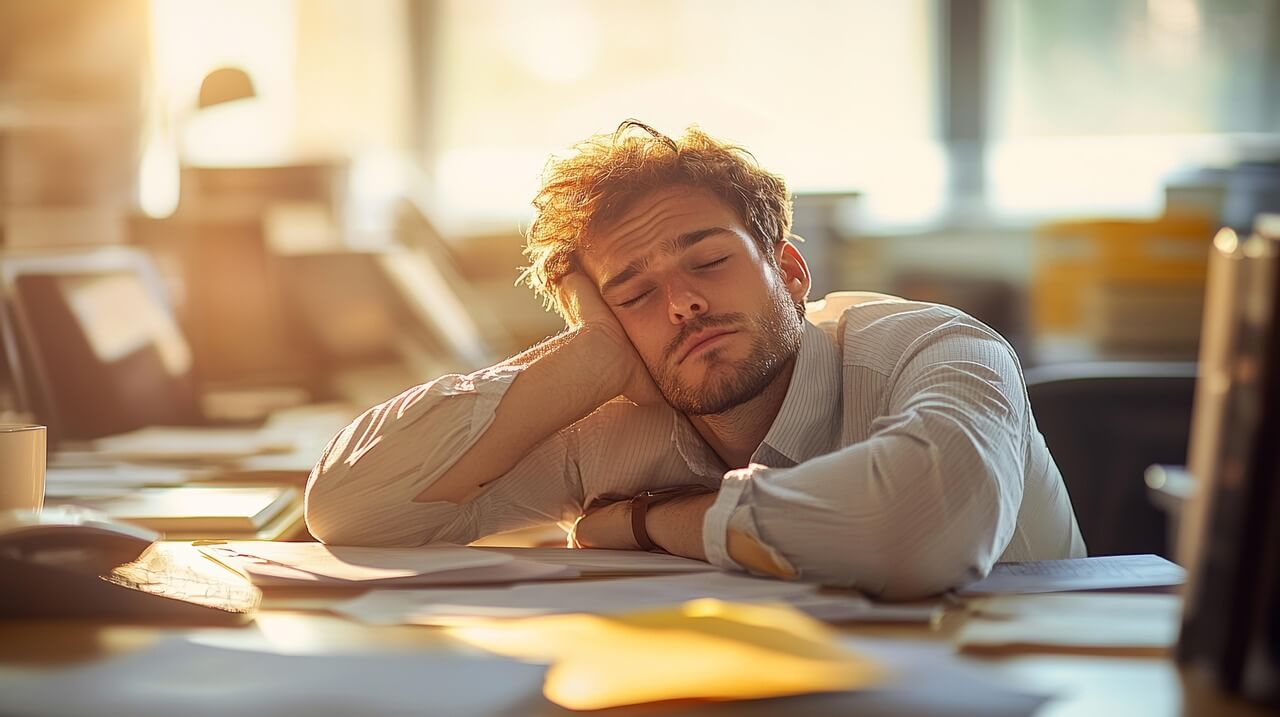
If you often hit a wall in the afternoon, you’re not alone. This article gives practical, evidence-based home remedies for midday energy slumps without caffeine that you can use at work or home. You’ll learn quick fixes (5–20 minutes), meal and sleep strategies, and longer-term habits to stabilize energy, without relying on coffee or energy drinks.
Why the Midday Slump Happens
The midday energy slump, most noticeable between 2:00 PM and 4:00 PM, is a normal biological dip in alertness tied to your body’s circadian rhythm. This internal clock naturally produces two low-energy windows in a 24-hour cycle: the first occurs in the early morning hours, and the second typically appears in the early afternoon. During this time, your brain reduces its wake-promoting signals, causing sleepiness, slower thinking, and reduced motivation.
However, lifestyle factors can intensify the slump:
1. Circadian rhythm dip
Your core body temperature slightly drops in early afternoon, signaling your body to conserve energy. This cooling prompts the release of melatonin-like signals that make you feel drowsy, even if you slept well the night before.
2. Post-lunch physiology
After eating, your body redirects blood flow toward your digestive system. Large or high-carb meals can amplify this shift, often causing post-meal sleepiness as your body breaks down food and blood sugar fluctuates.
3. Low blood sugar (even mild)
If your lunch lacks protein or slow-digesting carbs, your blood sugar may spike and then dip too quickly, leading to fatigue, irritability, and brain fog.
4. Dehydration
Even slight dehydration (as little as 1–2% fluid loss) can impair focus, reduce mood, and make the afternoon slump feel heavier. Many people unintentionally drink less water earlier in the day, especially when busy.
5. Sedentary behavior
Sitting for long periods, especially after lunch, slows circulation and decreases oxygen delivery to the brain. This makes your body feel sluggish and your brain less alert.
6. Poor sleep the night before
Even one night of shorter or fragmented sleep can exaggerate the midday dip, making it harder for your brain to stay alert during its natural low-energy window.
How to counteract it quickly
The good news? Simple cues like natural light exposure, short bursts of movement, hydration, and brief rest breaks can quickly stimulate your brain’s wakefulness pathways. These small adjustments help reset alertness, improve productivity, and prevent the slump from dragging into the evening.
Reference: Cleveland Clinic
Top Home Remedies for Midday Energy Slumps Without Caffeine
Below are the most effective, low-risk strategies you can use to boost energy quickly, right at your desk, at home, or on the go.
Quick Home Remedies for Midday Energy Slumps Without Caffeine (1–10 minutes)
Hydrate with cool water
Even mild dehydration (just a 1–2% drop in body water) can negatively affect concentration, memory, and mood. Drinking a large glass of cool water helps replenish fluids, improve circulation, and increase mental clarity. Many people unknowingly become dehydrated by mid-afternoon simply because they’ve been busy or relying on coffee instead of water. A quick hydration break can create a noticeable lift in energy.
Move for 3–10 minutes
A short burst of physical activity increases blood flow, delivering more oxygen and glucose to your brain. Whether it’s a brisk hallway walk, marching in place, or climbing stairs, even 5 minutes is enough to reduce fatigue and elevate alertness. Movement also stimulates endorphins, which improves mood and motivation during the slump.
Take a bright light break
Natural sunlight is one of the strongest signals to your brain that it’s time to be awake. Stepping outside for 10 minutes or sitting near a bright window helps regulate your circadian rhythm and suppress afternoon drowsiness. If going outdoors isn’t possible, a light therapy box (typically 10,000 lux) for 10–20 minutes can provide a similar alertness boost.
Practice deep breathing or box breathing (2–3 minutes)
Slow, intentional breathing, especially box breathing (inhale 4 seconds, hold 4, exhale 4, hold 4), reduces stress hormones and increases oxygen flow. This technique can quickly calm mental fatigue, sharpen focus, and improve alertness without any physical exertion. Deep breathing is especially effective if your slump is worsened by work-related stress.
Short naps and rest (10–30 minutes)
Take a power nap (10–20 minutes)
A short, controlled nap is one of the most effective non-caffeinated ways to reset your brain. Naps under 20 minutes improve alertness, memory, and reaction time without causing grogginess. Keeping naps under 30 minutes prevents entering deeper stages of sleep, which can lead to sleep inertia (the “foggy” feeling upon waking). Power naps are especially useful if you slept poorly the night before.
Snack smart to avoid crashes (5–20 minutes)
Choose protein + fiber + low-GI (glycemic index) carbs
Food plays a huge role in your afternoon energy. Instead of reaching for sugary snacks or processed carbs, which spike blood sugar and then cause a crash, opt for combinations that provide stable fuel. Great examples include:
-
Greek yogurt with berries
-
Apple slices with almond or peanut butter
-
Hummus with whole-grain crackers
-
A small handful of nuts paired with fresh fruit
These nutrient-balanced snacks help maintain steady glucose levels, preventing the roller-coaster highs and lows that contribute to midday fatigue.
Midday Routines That Prevent Slumps Before They Start
Prevention is far easier and more reliable than trying to “fix” the slump each day. Incorporating these habits builds a more stable energy rhythm.
Meal Timing and Composition to Prevent Midday Energy Slumps Without Caffeine
Eat a balanced breakfast and lunch
Meals rich in protein, fiber, and healthy fats digest slowly and release energy steadily, helping you avoid sharp dips during the afternoon. In contrast, heavy lunches full of refined carbs (pasta, white rice, pastries) trigger a large insulin response and often lead to post-meal sleepiness. Choose meals such as:
-
Eggs with vegetables and whole-grain toast
-
Chicken or tofu with quinoa and greens
-
Lentil or bean salads
-
Oats topped with nuts and fruit
Smaller, balanced meals also prevent the sluggishness that comes from overeating at midday.
Sleep Hygiene and Schedule
Prioritize 7–9 hours nightly
Quality sleep has a direct impact on your cognitive function, mood, and energy stability. Chronic sleep debt makes the afternoon slump more intense because your brain is fighting to stay awake during a natural low-alertness window. To strengthen your circadian rhythm:
-
Go to bed and wake up at the same time daily
-
Reduce screen exposure 1–2 hours before bed
-
Keep your bedroom cool, dark, and quiet
Short midday naps may help on occasion, but they’re not a substitute for consistent restorative nighttime sleep.
Move more, even micro-breaks help
Take micro-movement breaks every hour
Sitting for long, uninterrupted periods slows blood flow and decreases oxygen delivery to your brain, causing mental fog. Standing, stretching, shoulder rolls, or a quick 1–2 minute walk once every hour helps:
-
Improve circulation
-
Boost alertness
-
Prevent stiffness
-
Stabilize energy levels
These small breaks add up and significantly reduce the severity of the afternoon slump.
Natural Beverage Ideas (No Caffeine)
Infused water
Adding slices of citrus, cucumber, or fresh mint enhances hydration while providing a refreshing sensory boost. The aroma and flavor can stimulate your senses enough to help you feel more awake without caffeine or sugar.
Herbal teas
Herbal teas are naturally caffeine-free and offer a gentle lift:
-
Peppermint tea: Known for its refreshing aroma, which may improve alertness and relieve tension.
-
Ginger tea: Warm and invigorating, ginger can aid digestion (especially helpful after lunch).
-
Rooibos tea: A naturally sweet, antioxidant-rich option that hydrates and soothes without energy crashes.
These drinks help maintain hydration while providing subtle sensory stimulation that supports afternoon focus.
When the Slump May Signal Something Else (Medical Red Flags)
Most midday energy slumps are harmless and tied to natural biological rhythms or everyday habits. However, if your afternoon fatigue becomes persistent, unusually intense, or interferes with daily activities, it may be a sign of an underlying medical condition, especially if healthy lifestyle changes aren’t improving your energy levels.
Below are key warning signs and conditions to be aware of:
1. Thyroid Disorders
Low thyroid function (hypothyroidism) is a common medical cause of chronic fatigue. When the thyroid does not produce enough hormones, your metabolism slows down. This often leads to:
-
Persistent tiredness
-
Sluggishness
-
Cold intolerance
-
Dry skin
-
Weight gain
Because hypothyroidism develops gradually, many people don’t notice the subtle changes until fatigue becomes overwhelming.
2. Anemia (Low Iron Levels)
Iron-deficiency anemia reduces your body’s ability to transport oxygen. Without adequate oxygen delivery to tissues, even light activity can make you feel drained. Symptoms may include:
-
Extreme tiredness
-
Pale skin
-
Shortness of breath
-
Rapid heartbeat
-
Dizziness
Women, vegans, vegetarians, and people with heavy menstrual cycles are at higher risk.
3. Sleep Apnea
Sleep apnea is a common but often undiagnosed sleep disorder in which breathing repeatedly stops during sleep. Because it interrupts deep, restorative sleep, people with apnea often experience:
-
Loud snoring
-
Gasping or choking during sleep
-
Morning headaches
-
Unrefreshing sleep
-
Severe afternoon fatigue
This condition requires professional evaluation and treatment.
4. Depression or Chronic Stress
Emotional conditions can also manifest as profound physical fatigue. Chronic stress, anxiety, and depression affect brain chemistry, sleep quality, and energy levels. Signs may include:
-
Loss of motivation
-
Emotional exhaustion
-
Difficulty concentrating
-
Changes in appetite or sleep
If your fatigue is paired with low mood or irritability, seeking mental health support is essential.
5. Medication Side Effects
Many common medications can cause drowsiness as a side effect. These include:
-
Antihistamines
-
Blood pressure medications
-
Some antidepressants
-
Sedatives or sleep aids
-
Muscle relaxants
If your slump began after starting or changing a medication, talk to your healthcare provider.
When to Seek Immediate Medical Care
You should contact a healthcare professional promptly if your tiredness is accompanied by any concerning symptoms, such as:
-
Unexplained weight loss
-
Shortness of breath or difficulty breathing
-
Chest pain or pressure
-
Fainting or dizziness
-
Excessive daytime sleepiness that makes driving or operating machinery unsafe
These symptoms may indicate more serious medical conditions, including heart issues, metabolic disorders, or untreated sleep disorders, and require urgent evaluation.
Reference: Harvard Health
Quick 1-Week Plan to Test These Remedies
Trying everything at once can be overwhelming—this simple, structured 7-day plan helps you identify which remedies work best for your body.
Day 1–2:
Incorporate hourly 2-minute movement breaks throughout your workday and drink at least 500 mL (17 oz) of water during the early afternoon. This helps boost circulation and ensures hydration, two major factors in maintaining alertness.
Day 3–4:
Replace sugary, processed snacks with protein + fiber options such as fruit and nuts, yogurt, or hummus and veggies. Add a 10-minute outdoor light break after lunch to reset your circadian alertness.
Day 5–7:
Try a 15-minute power nap during your slump window. Keep it short to avoid grogginess. Track how you feel afterward, does your mood improve? Are you more productive?
By the end of the week, you’ll have a clearer understanding of which strategies reliably boost your midday energy and how to incorporate them into your long-term routine.
Conclusion
Midday energy slumps are a normal part of your body’s internal rhythm—but they don’t have to derail your productivity or mood. With a few intentional changes, such as hydrating consistently, choosing balanced meals, moving regularly, getting natural light, and taking brief restorative naps, you can restore your energy naturally and avoid relying on caffeine. Most importantly, practicing these habits daily not only boosts afternoon alertness but supports better overall health, sleep quality, and mental clarity. By paying attention to your body’s signals and creating a routine that works for you, staying focused and energized throughout the day becomes both simple and sustainable.
Frequently Asked Questions (FAQ)
1. What causes a midday energy slump without caffeine?
Most midday slumps are caused by your natural circadian rhythm dipping in the early afternoon. However, dehydration, heavy meals, poor sleep, stress, and long hours of sitting can all intensify fatigue.
2. Can home remedies really boost my energy without caffeine?
Yes. Hydration, movement, natural light, balanced snacks, and short power naps are proven to support alertness. These behaviors stimulate circulation, stabilize blood sugar, and activate your brain’s wakefulness pathways.
3. How long does it take to feel more energized naturally?
Some remedies like drinking water, going for a brisk walk, or stepping into sunlight, can improve alertness in 5–10 minutes. Others, like sleep improvements or meal adjustments, work best when practiced consistently over several days.
4. Are power naps safe, and how long should they be?
Power naps are safe for most people. A 10–20 minute nap provides mental refreshment without causing grogginess. Avoid naps longer than 30 minutes unless advised by a healthcare professional.
5. What foods help prevent afternoon crashes?
High-protein, high-fiber options such as Greek yogurt, nuts, apples with nut butter, boiled eggs, hummus, or whole-grain crackers provide stable energy and prevent sugar-related crashes.
6. Does sunlight help with midday fatigue?
Yes. Even 10 minutes of natural light can cue your brain to increase alertness and reduce melatonin-related sleepiness. When sunlight isn’t available, a light therapy box can offer similar benefits.
7. Are herbal teas effective for boosting energy?
Herbal teas like peppermint, ginger, or rooibos don’t contain caffeine but can support alertness by refreshing the senses, improving hydration, and aiding digestion after lunch.
8. When should I worry about persistent midday fatigue?
If fatigue continues despite good sleep, hydration, nutrition, and activity improvements, it’s wise to speak with a healthcare professional. Conditions like anemia, thyroid disorders, sleep apnea, and depression can cause ongoing low energy.
9. Can I prevent midday slumps entirely?
While the circadian dip is natural, consistent habits—such as balanced meals, quality sleep, light exposure, and hourly movement, can greatly reduce the intensity or frequency of afternoon fatigue.
10. How do I know which home remedy works best for me?
Your body may respond better to some strategies than others. Following a structured plan, like the 1-week test schedule in this article, can help you pinpoint the combination that boosts your energy most effectively.
Disclaimer
This article is for informational and educational purposes only and is not a substitute for professional medical advice, diagnosis, or treatment. Always consult your physician or another qualified healthcare provider with any questions you may have regarding fatigue, sleep issues, nutrition, or any medical condition. Do not ignore or delay seeking professional advice because of information you have read here. If you experience severe, persistent, or worsening symptoms, seek medical care promptly.
Similar Articles
- Home Remedies for Bloating After Meals: Fast Natural Relief
- How to Reduce Sugar Cravings Naturally: Remedies and Foods to Try
References
-
Mayo Clinic: How to prevent an afternoon crash with diet.
-
Harvard Health Publishing: Boosting Energy & Managing Fatigue.
-
National Heart, Lung, and Blood Institute (NIH): Researchers study how daytime naps may influence health.
- PubMed: The recuperative value of brief and ultra-brief naps on alertness and cognitive performance.
-
Cleveland Clinic: How Much Sunlight You Need Each Day.
- Sleep Doctor: Do Power Naps Work? Sleep Foundation.
-
PubMed Central: A 30-Minute, but Not a 10-Minute Nighttime Nap is Associated with Sleep Inertia.
- Cambridge University Press: Effect of mild dehydration on cognitive function, mood and exercise performance.
-
Harvard Health Publishing: Can a quick snooze help with energy and focus? The science behind power naps.
- PubMed: Cognitive performance and dehydration.