
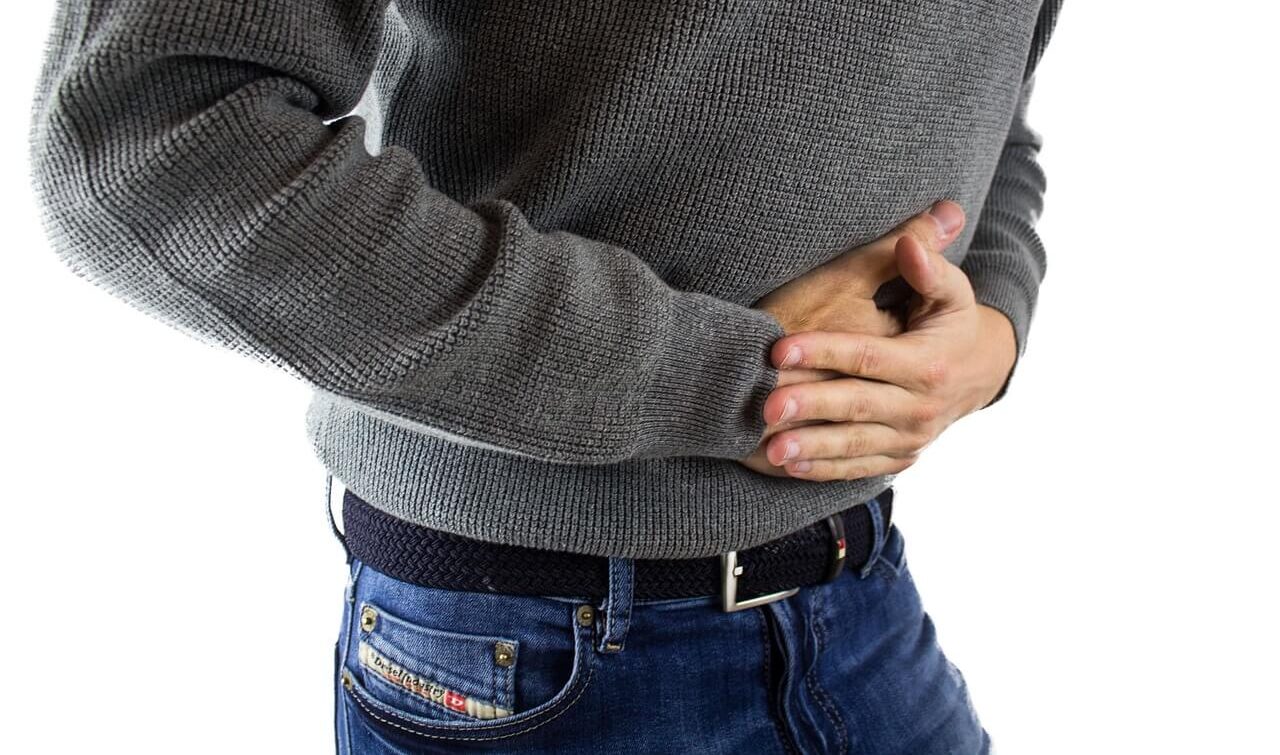
Feeling bloated after eating can make even a healthy meal feel unpleasant. Your stomach might feel tight, gassy, or swollen, often making you want to unbutton your pants and lie down. Fortunately, there are many home remedies for bloating after meals that work surprisingly fast. With a few natural adjustments, you can soothe discomfort, prevent it from returning, and feel lighter after every meal.
Home Remedies for Bloating After Meals: Causes
Bloating usually happens when your digestive system struggles to handle gas or swallowed air. In many cases, it occurs because you eat too fast, talk while eating, or consume gas-producing foods. Moreover, certain ingredients such as onions, beans, and carbonated beverages tend to create extra gas in the intestines.
In addition, eating large portions or fatty meals can delay stomach emptying, which makes you feel overly full. Even poor posture after eating, for instance, lying down too soon, can worsen that tight, swollen feeling. Understanding the triggers is the first step toward finding lasting relief.
Home Remedies for Bloating After Meals: Natural Fixes That Work Fast
The following natural remedies can help you feel better quickly. Try combining several of them for best results.
1) Take a Gentle 10–20 Minute Walk
Instead of sitting still after a heavy meal, get moving. A short walk encourages the digestive tract to move gas and food through more efficiently. As a result, bloating decreases and your energy often improves. Even a light stroll around your home or office can make a noticeable difference.
2) Sip Ginger or Peppermint Tea Slowly
Ginger helps stimulate digestion and reduce feelings of fullness. On the other hand, peppermint relaxes intestinal muscles, allowing trapped gas to move out more easily. For the best results, drink your tea warm, not hot, and take small sips. However, if you struggle with acid reflux, peppermint might not be the right choice for you.
3) Try Over-the-Counter Simethicone or Digestive Enzymes
If home teas and walking don’t relieve bloating quickly enough, you may consider simethicone (Gas-X, Mylanta Gas). This product breaks small gas bubbles into larger ones, helping you pass gas comfortably. Likewise, if your bloating appears after consuming dairy, lactase enzymes such as Lactaid can help you digest lactose more easily. Still, always read product instructions carefully and consult your pharmacist if you have doubts.
4) Use Activated Charcoal Cautiously
Activated charcoal may reduce gas in some people, especially after eating certain high-fiber foods. Nevertheless, results vary and the evidence remains mixed. Because it can interfere with medications, use it only occasionally and under your doctor’s supervision.
5) Massage and Adjust Your Body Posture
In addition to herbal teas and movement, gentle abdominal massage can improve gas flow. Rub your belly in a clockwise direction, following your colon’s natural path, for several minutes. Meanwhile, lying on your side with knees slightly bent may also help gas escape more comfortably.
6) Apply Heat for Soothing Comfort
Because warmth relaxes muscles and boosts circulation, applying a heating pad or warm compress to your abdomen can ease cramps and tension. Keep the temperature moderate and apply it for about 15–20 minutes while resting. Although heat doesn’t remove gas, it greatly reduces discomfort while other remedies take effect.
7) Drink Still, Room-Temperature Water
While it might seem obvious, hydration matters. Drinking enough room-temperature water helps digestion and encourages food to move through your system smoothly. Conversely, fizzy drinks introduce more air, which can worsen bloating. If plain water feels boring, try chamomile tea, it’s gentle, soothing, and supports digestive comfort.
Dietary Tweaks to Prevent Post-Meal Bloating
Once your bloating improves, prevention becomes the next essential step. By adjusting your eating habits and food choices, you can minimize the risk of gas buildup and improve digestion naturally. The following dietary tweaks for bloating relief are simple, science-backed, and easy to maintain long-term.
1) Eat Smaller Portions More Often
Instead of consuming two or three large meals, try breaking your daily intake into four or five smaller ones. Eating large portions stretches the stomach and slows digestion, which can trap gas and make you feel overfull. In contrast, smaller meals place less stress on your digestive system and promote smoother movement through the intestines.
Moreover, smaller portions help regulate stomach acid levels, making you less prone to reflux and discomfort after eating. If you’re used to big servings, start by reducing meal size gradually and adding healthy snacks like fruit, yogurt, or nuts between meals.
2) Chew Food Thoroughly and Avoid Swallowing Excess Air
How you eat matters just as much as what you eat. Chewing each bite slowly and thoroughly allows your saliva to begin breaking down carbohydrates before they reach your stomach. This not only reduces gas formation but also improves nutrient absorption.
Additionally, eating too fast can cause you to swallow excess air, a major contributor to post-meal bloating. To prevent this, avoid talking while chewing, set down your utensils between bites, and take smaller mouthfuls. Furthermore, minimize habits that increase swallowed air, such as:
-
Drinking through straws
-
Chewing gum frequently
-
Sipping carbonated beverages
Even small adjustments in your eating pace and posture can significantly reduce the amount of air entering your digestive tract.
3) Cook or Soak Gas-Producing Foods Before Eating
Some of the healthiest foods, such as beans, lentils, broccoli, cauliflower, and cabbage, are also notorious for causing gas. However, you don’t have to eliminate them from your diet entirely. Instead, prepare them in ways that make them easier to digest.
Soaking dried beans or lentils overnight helps reduce oligosaccharides, the carbohydrates responsible for producing intestinal gas. Cooking these foods thoroughly and adding herbs such as cumin, ginger, or fennel can further ease digestion.
Similarly, lightly steaming cruciferous vegetables breaks down some of their fibrous compounds, making them gentler on the stomach. If you’re transitioning to a higher-fiber diet, increase fiber intake gradually to give your gut microbiome time to adjust.
4) Consider a Temporary Low-FODMAP Plan
If you experience frequent bloating or digestive discomfort, a low-FODMAP diet may help. FODMAPs are fermentable carbohydrates found in foods like wheat, onions, garlic, apples, and dairy. These compounds are poorly absorbed in the small intestine and ferment in the colon, leading to gas and bloating.
Under the guidance of a registered dietitian or healthcare provider, you can temporarily eliminate high-FODMAP foods for several weeks, then reintroduce them one at a time. This process helps identify which foods trigger your bloating. Research shows that the low-FODMAP plan can significantly improve symptoms in people with irritable bowel syndrome (IBS) and chronic bloating.
It’s important, however, not to follow this diet without supervision, since it restricts several nutritious foods and could affect your long-term gut health if done improperly.
Additional Tips to Support a Comfortable Digestive Routine
Beyond portion size and food choices, a few small habits can further prevent post-meal bloating naturally:
-
Eat mindfully. Sit down, avoid distractions like phones or TV, and focus on your meal. This helps you eat slower and recognize fullness cues.
-
Stay hydrated throughout the day. Water keeps digestion running smoothly and prevents constipation, which can make bloating worse.
-
Avoid lying down right after meals. Instead, remain upright or take a short walk to support digestion and gas movement.
-
Track your triggers. Keeping a food diary can help identify patterns and foods that cause discomfort for you personally.
When you combine these dietary tweaks to prevent post-meal bloating with gentle movement and hydration, you’ll likely notice fewer episodes of discomfort, and a flatter, calmer stomach after eating.
Home Remedies for Bloating After Meals: A Practical Routine for Instant Relief
When bloating strikes, it’s easy to feel stuck and uncomfortable. However, instead of waiting for the sensation to fade, you can take quick, gentle steps that ease pressure and stimulate digestion naturally. The following four-step routine for instant bloating relief combines simple actions that support your digestive system from multiple angles, posture, movement, warmth, and natural remedies.
By following this short routine, you can often feel lighter and more comfortable within minutes.
1) Pause Eating and Sit Upright
The very first thing to do when you start feeling overly full is to stop eating immediately. Continuing to eat only adds pressure to your stomach, worsening discomfort. Once you’ve paused, sit upright with your back straight and shoulders relaxed. This posture allows gravity to help your stomach contents settle and promotes smoother passage of gas through the intestines.
Avoid lying down or slouching right after meals, these positions can trap gas and slow digestion. If you’re at home, you might even try sitting slightly forward or using a pillow behind your back for better alignment. Within a few minutes, you’ll often notice the tight, pressured feeling begin to subside.
2) Sip Ginger or Peppermint Tea to Relax Your Digestive Tract
Next, focus on soothing your digestive system naturally. Warm liquids like ginger or peppermint tea work wonders here.
-
Ginger tea promotes faster stomach emptying and reduces inflammation in the digestive tract. It also helps relieve nausea or discomfort that sometimes accompanies bloating.
-
Peppermint tea relaxes the smooth muscles of your intestines, allowing trapped gas to pass more easily.
Take small, slow sips, not gulps, and breathe deeply as you drink. The warmth of the tea combined with the herbal compounds provides gentle, natural relief. However, if you have acid reflux or GERD, opt for ginger or chamomile tea instead of peppermint, as peppermint can sometimes worsen heartburn.
3) Take a 10–20 Minute Walk to Stimulate Intestinal Movement
After finishing your tea, it’s time to get your body moving. Even a light 10–20 minute walk after eating can significantly reduce bloating. Movement stimulates peristalsis, the natural muscular contractions of your digestive tract that help move food and gas along.
If you’re at work or in a public place, you don’t need to go far, just pacing the hallway or taking a short stroll outside can help. The key is gentle motion, not exercise intensity. As you walk, breathe deeply and avoid holding your stomach in; letting your abdomen move freely allows gas to shift and release naturally.
This simple habit not only reduces bloating but also supports healthy digestion and helps prevent sluggishness after large meals.
4) Gently Massage Your Abdomen or Use Simethicone if Needed
If you’re still feeling bloated after walking, the next step is to encourage gas movement manually. Gently massage your abdomen using circular, clockwise motions, following the path of your colon. Start from the lower right side of your abdomen, move upward to your ribcage, across to the left side, and then down toward your lower left abdomen.
This massage technique helps stimulate trapped gas to move through the intestines, offering relief within minutes. Combine it with slow, steady breathing for even greater relaxation.
If natural methods don’t provide enough relief, you can also take an over-the-counter simethicone product such as Gas-X or Phazyme. Simethicone works by breaking small gas bubbles into larger ones, making them easier to expel. Always follow the label instructions, and if bloating is frequent, discuss it with your healthcare provider to rule out food intolerances or digestive issues.
Consistency Makes a Difference
While this four-step routine provides quick relief when bloating happens, practicing it regularly can also help train your body for better digestion. By pausing to sit upright, sipping soothing tea, walking after meals, and massaging when needed, you’ll not only feel better immediately, you’ll also reduce how often bloating occurs in the first place.
Consistency truly matters. Over time, these mindful habits become second nature, leading to less discomfort, a calmer digestive system, and more enjoyable meals overall.
When Bloating Isn’t “Just Bloating”: Warning Signs to Watch
Occasional bloating after meals is common and usually harmless. In most cases, it results from swallowing air, eating too quickly, or consuming gas-producing foods. However, persistent or severe bloating can sometimes signal an underlying medical issue that requires professional attention.
Knowing when to seek help is crucial, since early evaluation can prevent complications and ensure the right treatment. Below are key warning signs that your bloating might be more than just a temporary discomfort.
1) Persistent or Severe Abdominal Pain
Mild bloating typically improves with time, movement, or over-the-counter remedies. But if your bloating is accompanied by intense or lasting abdominal pain, that’s a red flag. Severe pain, especially when localized to one area, can point to issues such as gallstones, ulcers, intestinal blockages, or infections.
For instance, sharp pain in the upper abdomen after eating fatty meals may indicate gallbladder problems, while cramping with diarrhea could suggest irritable bowel syndrome (IBS) or inflammatory bowel disease (IBD). If pain comes on suddenly, worsens quickly, or interferes with daily activities, contact a healthcare provider as soon as possible.
2) Unexplained Weight Loss or Persistent Fatigue
If you notice you’re losing weight without trying, or you constantly feel tired despite getting enough rest, your bloating might have a deeper cause. Unintentional weight loss and fatigue can indicate malabsorption, meaning your body isn’t properly digesting or absorbing nutrients.
This may occur with conditions such as celiac disease, Crohn’s disease, or even certain cancers of the stomach or colon. Because these symptoms develop gradually, it’s easy to overlook them at first. Therefore, if you’ve experienced bloating along with reduced appetite or ongoing weakness, it’s important to get tested to rule out underlying issues.
3) Blood in the Stool or Black, Tarry Stools
Seeing blood in your stool or noticing that it appears black and tarry are serious warning signs that shouldn’t be ignored. These symptoms can indicate bleeding somewhere in the gastrointestinal tract, from ulcers, polyps, hemorrhoids, or, in some cases, cancer.
Even if the bleeding seems minor or happens only once, always contact your healthcare provider. A stool test or colonoscopy can help determine the cause. Remember, catching gastrointestinal bleeding early significantly improves outcomes.
4) Difficulty Swallowing or Recurrent Vomiting
If you frequently experience difficulty swallowing (dysphagia) or vomit often after eating, your bloating may be related to an obstruction or delayed stomach emptying (a condition called gastroparesis). These symptoms may also indicate ulcers, reflux disease, or even structural problems in the esophagus or stomach.
Persistent nausea or vomiting can quickly lead to dehydration and nutrient loss, so it’s best to see a doctor promptly. They can perform imaging or endoscopy to identify and treat the root cause.
5) New or Worsening Bloating After Age 50
While occasional bloating can affect anyone, new or progressive bloating after age 50 deserves medical evaluation. At this age, digestive efficiency naturally changes, and the risk of certain gastrointestinal conditions (including colon cancer, celiac disease, and ovarian disorders) increases.
For women, in particular, abdominal bloating that’s persistent and not clearly linked to diet or digestion may sometimes be an early sign of ovarian cancer. If your bloating is accompanied by symptoms like pelvic pressure, feeling full quickly, or changes in urination patterns, schedule a checkup right away.
Even if everything turns out normal, it’s always better to rule out serious causes early rather than wait for symptoms to worsen.
Why It’s Important to Listen to Your Body
Because bloating is so common, it’s easy to dismiss it as a simple annoyance. However, persistent bloating that doesn’t respond to lifestyle changes or home remedies should never be ignored. Your digestive system often gives subtle clues before a bigger problem develops.
Pay attention to any patterns, such as when bloating happens, which foods make it worse, or whether other symptoms (pain, fatigue, changes in bowel habits) appear alongside it. Bring these details to your medical appointment; they help your doctor narrow down possible causes faster and recommend the right treatment plan.
Final Thoughts
To sum up, home remedies for bloating after meals can offer fast and lasting comfort when used consistently. By sipping herbal teas, walking after meals, and eating mindfully, you can restore digestive balance and prevent future bloating episodes. Above all, listen to your body, if symptoms persist, don’t ignore them. Professional guidance can help uncover underlying causes and tailor your care more effectively.
Home Remedies for Bloating After Meals: Frequently Asked Questions (FAQ)
1. What causes bloating after eating?
Bloating after meals often results from swallowing air, overeating, or consuming gas-producing foods such as beans, onions, cruciferous vegetables, or carbonated drinks. Sometimes, food intolerances (like lactose or gluten sensitivity) or digestive conditions such as irritable bowel syndrome (IBS) may also contribute. Keeping a food diary can help identify personal triggers.
2. How can I get rid of bloating fast?
For instant bloating relief, start by sitting upright to ease pressure on your abdomen. Next, sip warm ginger or peppermint tea to relax your digestive tract. Taking a short walk (10–20 minutes) encourages intestinal movement, and gently massaging your abdomen can help release trapped gas. If needed, simethicone (an over-the-counter anti-gas product) offers quick comfort.
3. Which foods should I avoid to prevent bloating?
Common culprits include carbonated drinks, dairy products (if lactose intolerant), beans, lentils, onions, broccoli, cauliflower, and artificial sweeteners like sorbitol. Instead, focus on smaller, balanced meals that are easier to digest. Gradually increasing your fiber intake and staying well-hydrated also support healthy digestion without excessive gas buildup.
4. Are there natural remedies for bloating that really work?
Yes. Herbal teas such as ginger, chamomile, fennel, or peppermint are proven to soothe the digestive system. Probiotic-rich foods like yogurt or kefir may help balance gut bacteria, while apple cider vinegar diluted in water before meals can improve digestion for some people. However, consistency and moderation are key, what works for one person may not work for another.
5. Can exercise help reduce bloating?
Absolutely. Gentle movement encourages trapped gas to pass and helps regulate bowel function. Try walking, yoga poses like “wind-relieving pose” (Pavanamuktasana), or light stretching after meals. Regular physical activity also promotes a healthier gut overall and can reduce recurring bloating episodes over time.
6. Is bloating always related to food?
Not always. While diet is a common factor, stress, hormone fluctuations, dehydration, and digestive disorders can also cause bloating. For example, women may experience bloating before or during their menstrual cycle due to hormonal changes. Likewise, chronic stress can slow digestion and increase discomfort. Managing lifestyle factors often makes a noticeable difference.
7. When should I see a doctor for bloating?
See a healthcare provider if you experience severe or persistent bloating, abdominal pain, unexplained weight loss, fatigue, blood in stool, or vomiting. New or worsening bloating after age 50 also warrants medical evaluation. These symptoms can sometimes signal more serious digestive conditions, such as celiac disease, inflammatory bowel disease, or even gastrointestinal cancers.
8. Can a low-FODMAP diet help with bloating?
Yes, for people with IBS or chronic bloating, a low-FODMAP diet (which limits certain fermentable carbohydrates) can significantly reduce symptoms. However, it’s best to follow this plan under the guidance of a registered dietitian, since it involves temporary food restrictions and gradual reintroduction phases to identify personal triggers safely.
9. How long does it take for bloating to go away?
Occasional bloating often resolves within a few hours once digestion progresses or trapped gas passes. However, chronic bloating may take days or weeks to improve, depending on the underlying cause. Adopting steady habits, such as eating slowly, staying active, and keeping a food diary, can help you identify patterns and experience lasting relief.
10. Can bloating be a sign of a serious condition?
Sometimes, yes. While most cases are harmless, persistent bloating can indicate celiac disease, IBS, ovarian issues, or gastrointestinal disorders. Pay close attention to additional symptoms like pain, bleeding, or rapid weight loss. Early detection and treatment lead to better outcomes and prevent complications.
Disclaimer
This article, “Home Remedies for Bloating After Meals: Natural Fixes That Work Fast,” was written and fact-checked using reputable medical sources, including the Mayo Clinic, Cleveland Clinic, Johns Hopkins Medicine, and the National Institutes of Health (NIH). It aims to provide reliable, science-backed information to help readers make informed choices about their digestive health.
However, this content is for informational purposes only and not a substitute for professional medical advice, diagnosis, or treatment. Always consult a qualified healthcare provider before starting any new remedy, diet change, or supplement, especially if you have a chronic condition, food intolerance, or persistent bloating.
If you experience severe pain, unexplained weight loss, vomiting, blood in the stool, or bloating that worsens over time, seek medical attention promptly. Early evaluation helps rule out serious conditions and ensures appropriate care.
Similar Articles
- How to Use Fermented Foods at Home to Improve Gut Health Naturally
- Best Herbal Teas for Better Digestion and Gut Health (Updated 2025 Guide)
- Natural Remedy for Acid Reflux at Night
References
-
Mayo Clinic: Gas and Gas Pains: Causes and Prevention
-
Cleveland Clinic: Following the Low-FODMAP Diet
-
Johns Hopkins Medicine: Bloating: Causes and Prevention Tips
-
National Institutes of Health (NIH): Systematic review and meta-analysis: efficacy of peppermint oil in irritable bowel syndrome
-
National Center for Complementary and Integrative Health (NCCIH): Ginger
-
Harvard Health Publishing: How to get rid of bloating: Tips for relief
-
Cleveland Clinic: Bloating Remedies: Massage your abdomen
-
National Institute of Diabetes and Digestive and Kidney Diseases (NIH): Symptoms & Causes of Gas in the Digestive Tract
-
TheWell: How to DIY an abdominal massage for constipation and better digestion
-
NIH MedlinePlus: Irritable Bowel Syndrome (IBS)
-
Mayo Clinic: Belching, Gas and Bloating: Tips for Reducing Them