
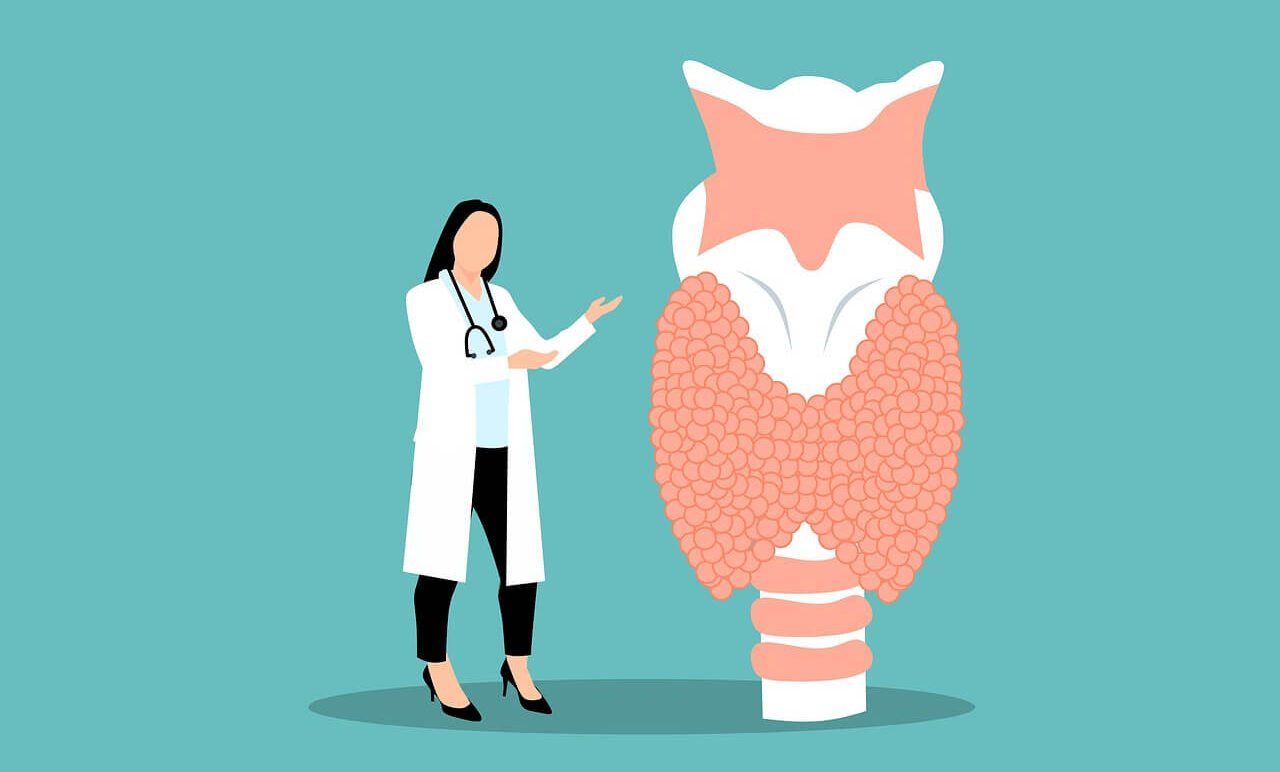
Maintaining a healthy thyroid is vital for balanced energy, metabolism, and mood. Fortunately, there are natural ways to support thyroid health from home that can complement medical care and promote overall wellness. While prescribed medication is sometimes necessary, integrating mindful lifestyle choices, nourishing foods, and evidence-based remedies can make a meaningful difference. Below, you’ll discover practical, science-supported strategies for a stronger thyroid and better daily vitality.
Understanding Thyroid Function Before Starting Natural Remedies
Before exploring home remedies, it helps to understand what the thyroid actually does. This small butterfly-shaped gland in the neck produces hormones (T4 and T3) that regulate metabolism, temperature, heart rate, and brain activity. When thyroid hormones fall out of balance, symptoms such as fatigue, weight changes, hair loss, or mood fluctuations may appear.
If you suspect a thyroid issue, your first step should always be testing your thyroid function (TSH, free T4, and possibly antibodies). Once you know where you stand, you can safely add natural ways to support thyroid health alongside your doctor’s plan.
Natural Ways to Support Thyroid Health from Home: Nutrition and Key Nutrients
A nutrient-dense diet is one of the most effective and sustainable home remedies for thyroid support. Balanced eating ensures that your body receives the raw materials needed for hormone production, metabolism, and immune stability.
Boost Thyroid Function Naturally with Smart Food Choices
To begin with, emphasize foods rich in iodine, selenium, zinc, iron, vitamin D, and B12, since these nutrients play crucial roles in thyroid function. Incorporate sea fish, dairy, eggs, lean meats, legumes, leafy greens, and small portions of Brazil nuts for selenium.
In addition, it’s important to avoid over-supplementing iodine. While iodine is essential, excessive intake, often from seaweed or kelp supplements, may disrupt thyroid balance or aggravate autoimmune conditions like Hashimoto’s.
Furthermore, several studies suggest that moderate selenium intake can help reduce thyroid antibodies in autoimmune thyroiditis, but it should be monitored by your healthcare provider.
Lastly, avoid restrictive or crash diets. They can deprive your thyroid of essential nutrients and slow metabolism. Instead, aim for gradual, steady changes supported by whole foods and adequate protein.
Lifestyle and Exercise Tips to Naturally Improve Thyroid Health
Diet alone isn’t enough. Incorporating movement and balanced habits is another powerful way to support thyroid function naturally.
Enhance Thyroid Wellness with Regular Physical Activity
Regular, moderate exercise stimulates metabolism and supports cardiovascular and mental health. Try combining aerobic activity, strength training, and gentle stretching for a well-rounded approach. Additionally, consistent physical activity can reduce fatigue and improve mood, two areas often affected by thyroid disorders.
Sleep and Stress Management for Hormonal Balance
Equally important, prioritizing quality sleep helps regulate hormone production and repair cellular systems. Aim for 7–9 hours of restful sleep each night.
Moreover, managing chronic stress through mindfulness, deep breathing, or yoga can lower cortisol levels, which in turn helps the thyroid function more efficiently. Over time, these small habits compound into measurable wellness improvements.
Natural Gut and Immune Support for a Healthier Thyroid
Emerging research shows a close connection between gut health and thyroid function, sometimes called the “gut-thyroid axis.” Therefore, supporting digestion may indirectly improve thyroid balance.
To do so, increase your intake of fiber-rich fruits, vegetables, and fermented foods (like yogurt, kefir, or sauerkraut) if tolerated. These promote a healthy microbiome, which may reduce inflammation and support immune balance, key elements for optimal thyroid performance.
Supplement Strategies to Support Thyroid Function Naturally
Although food should come first, certain supplements can help fill gaps. However, they must be used carefully and ideally under a healthcare provider’s guidance.
-
Vitamin D: Low vitamin D is common in thyroid disorders. Supplementing when deficient may support immune health and hormone regulation.
-
Selenium: When taken in safe doses, selenium can support immune function and help reduce thyroid antibodies in some individuals with Hashimoto’s.
-
Iron and B12: Addressing deficiencies in these nutrients can improve fatigue, metabolism, and hormone activity.
-
Iodine: Use only if your doctor confirms a deficiency. Overuse can worsen thyroid dysfunction.
Before starting any supplement, it’s wise to test your levels. More is not always better, and balance matters.
Home Tips for Taking Thyroid Medication the Right Way
If you are taking levothyroxine or similar medication, a few timing adjustments can significantly improve absorption and consistency.
-
Take it on an empty stomach, ideally 30–60 minutes before breakfast or 3–4 hours after your last meal.
-
Avoid consuming calcium, iron, or multivitamins within four hours of your dose, as they can interfere with absorption.
-
Try to take it at the same time each day, since stability helps your body maintain balanced hormone levels.
These small but consistent habits can make your thyroid medication far more effective.
When to Seek Professional Help for Thyroid Concerns
While natural remedies and lifestyle tips are valuable, they do not replace professional evaluation. Contact your doctor or an endocrinologist if you notice:
-
Persistent fatigue, depression, or anxiety
-
Unexplained weight gain or loss
-
Changes in hair, skin, or temperature tolerance
-
Irregular heartbeats or swelling in the neck
In addition, women who are pregnant or trying to conceive should have their thyroid levels checked, as hormone needs change during pregnancy. Early treatment helps protect both mother and baby.
Practical Checklist for Supporting Thyroid Health Naturally
-
Eat a balanced, nutrient-rich diet with adequate selenium, zinc, and iron.
-
Limit iodine supplements unless advised by a doctor.
-
Exercise regularly to boost metabolism and energy.
-
Get enough sleep and reduce daily stress levels.
-
Maintain consistent thyroid medication timing.
-
Test nutrient levels before supplementing.
By integrating these habits consistently, you can naturally enhance thyroid wellness and overall vitality.
Final Thoughts: Building a Stronger Thyroid Through Daily Choices
In summary, using natural ways to support thyroid health from home can make a powerful difference in your long-term wellbeing. Through balanced nutrition, gentle exercise, stress management, and mindful supplement use, you can complement medical treatment and support healthy hormone function. Remember, consistency is key, every small choice contributes to your thyroid’s balance and your body’s energy harmony.
Frequently Asked Questions (FAQ)
1. What are the best natural ways to support thyroid health at home?
The best natural ways to support thyroid health at home include eating a nutrient-rich diet, managing stress, getting enough sleep, and exercising regularly. Nutrients like iodine, selenium, zinc, vitamin D, and iron are essential for thyroid function. Additionally, staying hydrated and avoiding extreme diets can help keep your thyroid balanced.
2. Which foods are good for thyroid health?
Foods that support thyroid function naturally include seafood (for iodine), Brazil nuts (for selenium), lean meats, eggs, yogurt, spinach, and whole grains. However, moderation is key, especially with iodine-rich foods like seaweed. Focus on balanced meals that combine protein, healthy fats, and complex carbohydrates.
3. Can I improve thyroid function without medication?
If you’ve been diagnosed with a thyroid disorder, it’s important to follow your doctor’s treatment plan. However, you can support thyroid function naturally through healthy lifestyle choices such as stress reduction, a balanced diet, regular exercise, and adequate sleep. These measures complement medical care but should not replace prescribed thyroid medication.
4. Is iodine safe for thyroid health?
Iodine is essential for thyroid hormone production, but too much can actually harm the thyroid. Most people get enough iodine from iodized salt, fish, and dairy. Unless a doctor recommends it, you should avoid taking iodine supplements, as excess intake can trigger or worsen thyroid dysfunction.
5. How does stress affect thyroid function?
Chronic stress increases cortisol, a hormone that can disrupt the production and conversion of thyroid hormones. Over time, this can contribute to fatigue, weight gain, and mood changes. Managing stress through meditation, deep breathing, yoga, or even daily walks can help your thyroid and overall hormonal balance.
6. What vitamins and supplements help support thyroid health?
Vitamins and minerals that may help support thyroid health include selenium, zinc, vitamin D, iron, and B12. However, always test your levels before supplementing. Taking too much of certain nutrients, especially iodine or selenium, can do more harm than good. Consult your healthcare provider before starting any new supplement.
7. How should I take thyroid medication for best results?
Take levothyroxine or other thyroid medication on an empty stomach, about 30–60 minutes before eating. Avoid taking it with calcium, iron, or multivitamins, as they can interfere with absorption. Again, consistency is key, take it at the same time each day and follow your doctor’s directions closely.
8. Can exercise improve thyroid function naturally?
Yes, regular physical activity can help improve metabolism, energy levels, and mood, all of which support thyroid function naturally. Aim for a mix of cardio, strength training, and flexibility exercises. However, avoid overtraining, as excessive exercise can increase stress hormones and strain your thyroid.
9. What are early signs of thyroid problems?
Common signs of thyroid imbalance include fatigue, weight gain or loss, dry skin, hair thinning, cold intolerance, constipation, and mood changes. If you experience several of these symptoms, it’s best to ask your doctor for a thyroid function test (TSH and free T4 levels).
10. When should I see a doctor about my thyroid?
You should see a doctor if you experience ongoing fatigue, changes in weight or mood, irregular heartbeat, neck swelling, or difficulty tolerating cold or heat. Also, pregnant women or those planning to conceive should get their thyroid levels checked, as hormone balance is crucial during pregnancy.
Disclaimer
This article, “Natural Ways to Support Thyroid Health from Home: Remedies and Lifestyle Tips,” is for informational and educational purposes only. It is not intended to replace professional medical advice, diagnosis, or treatment.
Always consult a qualified healthcare provider or endocrinologist before making changes to your diet, supplements, medication, or lifestyle, especially if you have been diagnosed with a thyroid disorder or are taking thyroid medication.
The information presented here is based on credible sources and current research; however, individual results may vary. Never disregard or delay seeking professional medical guidance because of something you read on this website.
Similar Articles
- Best Natural Remedies for Fast Sore Throat Relief
- Home Remedies for Itchy Throat at Night: Natural Relief Tips
- 10 Proven Home Remedies for Cough and Cold That Work Fast
References
-
Mayo Clinic: Hypothyroidism Overview
-
Mayo Clinic: Levothyroxine (Oral Route)
-
American Thyroid Association: Low iodine diet
-
PubMed (PMC): Selenium Supplementation in Patients with Hashimoto Thyroiditis
- Frontiers: Selenium and thyroid diseases
-
National Institutes of Health: Iodine
- Mayo Clinic: Hashimoto’s disease