
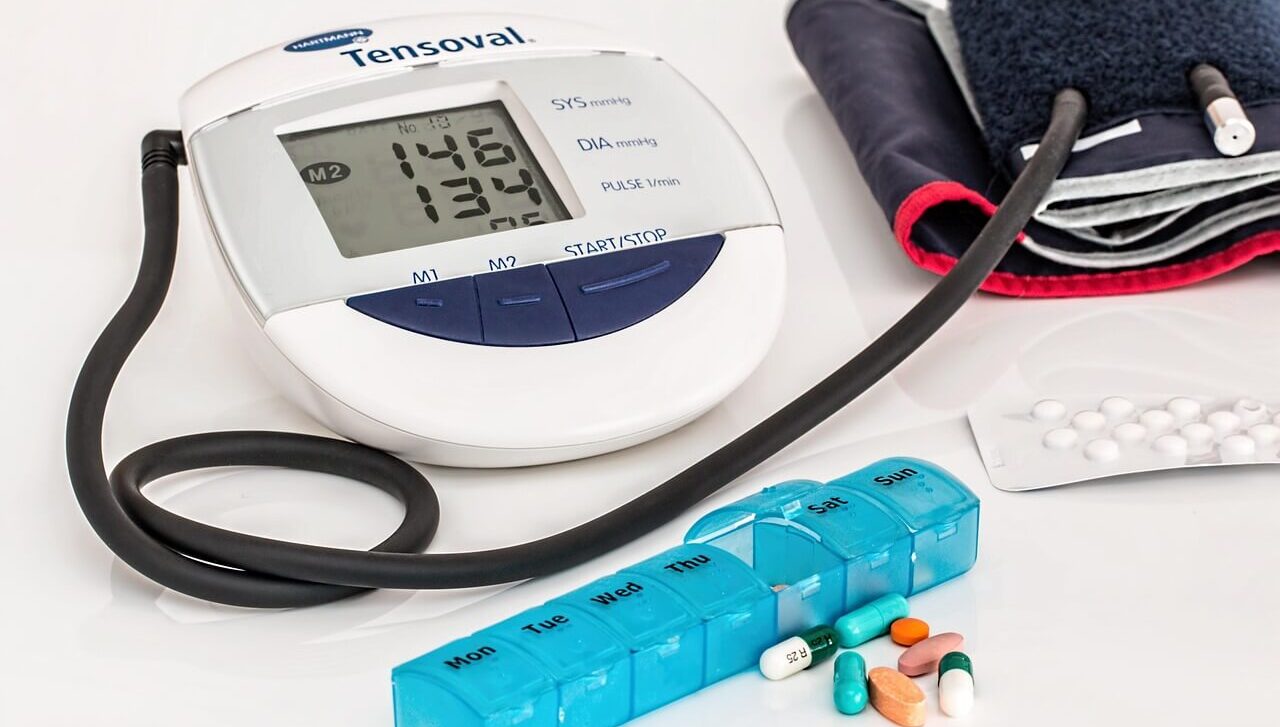
High blood pressure, also called hypertension, is often referred to as the “silent killer.” This is because it can damage your heart, arteries, and kidneys quietly, without showing obvious symptoms. While prescription medications can sometimes be necessary, many people prefer to explore natural ways to lower blood pressure at home safely.
Fortunately, simple lifestyle adjustments and evidence-based home remedies can make a significant difference. By adopting healthy habits, you can not only reduce hypertension but also improve your overall well-being.
Why Controlling Blood Pressure Is So Important
To begin with, maintaining healthy blood pressure levels is vital for long-term health. Uncontrolled hypertension significantly raises the risk of heart attack, stroke, kidney disease, and other complications. In fact, according to the Centers for Disease Control and Prevention (CDC), nearly half of American adults have high blood pressure, but only about one in four keep it under control.
Therefore, addressing high blood pressure early through natural strategies can help protect your health and reduce the need for medications in the future.
Natural Ways to Lower Blood Pressure at Home Safely
1. Reduce Sodium Intake Gradually
First and foremost, lowering salt intake is one of the most effective ways to reduce hypertension. Processed foods often contain hidden sodium, which can quickly add up. Instead, choose fresh ingredients, and season meals with flavorful herbs like oregano, basil, or garlic. Over time, your taste buds will adjust, making low-salt meals just as satisfying.
2. Eat More Potassium-Rich Foods
In addition, increasing potassium intake helps balance sodium levels in the body and relax blood vessels. Foods such as bananas, spinach, sweet potatoes, and avocados are excellent choices. By including these regularly in your diet, you can support healthy blood pressure naturally.
3. Stay Active with Regular Exercise
Moreover, physical activity plays a critical role in keeping blood pressure under control. Exercise strengthens the heart, allowing it to pump blood more efficiently. Aim for at least 30 minutes of moderate activity such as brisk walking, cycling, or swimming most days of the week. Even short bouts of movement throughout the day add up and provide real benefits.
4. Manage Stress Through Relaxation Techniques
Equally important, reducing stress can help lower blood pressure naturally. Chronic stress triggers hormonal changes that keep blood pressure elevated. Fortunately, techniques like deep breathing, meditation, or yoga can calm your nervous system. Even spending 10 minutes daily in mindfulness can ease tension and improve cardiovascular health.
5. Maintain a Healthy Weight
Furthermore, carrying extra weight puts added strain on your heart and circulatory system. The good news is that even modest weight loss (around 5 to 10 pounds) can significantly reduce blood pressure. Focus on eating nutrient-rich meals, controlling portion sizes, and avoiding excessive sugary snacks to achieve steady progress.
6. Limit Alcohol and Caffeine
Another key step is moderation with alcohol and caffeine. While small amounts of alcohol may provide some heart benefits, excessive intake has the opposite effect. Likewise, too much caffeine can cause short-term spikes in blood pressure. Therefore, limit alcohol to one drink daily for women and two for men, and monitor how caffeine affects your body.
7. Quit Smoking for Better Circulation
Additionally, smoking is harmful not only for your lungs but also for your blood vessels. Each cigarette temporarily raises blood pressure and damages arteries. The sooner you quit, the faster your circulation improves and your risk of heart disease decreases. Nicotine replacement therapies, support groups, or quit-smoking apps can make this journey more manageable.
8. Get Quality Sleep Every Night
Finally, do not underestimate the power of sleep. Poor sleep quality disrupts hormone balance, increasing stress and blood pressure. Aim for 7 to 9 hours of rest per night. To improve sleep, establish a consistent bedtime routine, limit screen time before bed, and keep your bedroom cool and dark.
When to Seek Medical Advice
Although these natural strategies are highly effective for many people, sometimes professional care is essential. High blood pressure can be serious, and ignoring it may lead to severe complications such as heart disease, kidney problems, or stroke. Therefore, knowing when to seek medical advice is just as important as following home remedies.
You should contact a healthcare professional if:
-
Your blood pressure consistently measures above 130/80 mmHg. Occasional spikes can happen, but persistent high readings signal that medical intervention may be required.
-
You experience chest pain, dizziness, blurred vision, or shortness of breath. These symptoms can indicate a more urgent problem that should not be ignored.
-
Lifestyle changes don’t improve your numbers after several months. If diet, exercise, stress management, and other natural remedies aren’t lowering your blood pressure, your doctor can recommend additional treatments.
-
You have other health conditions such as diabetes, kidney disease, or a history of heart issues. These conditions make it especially important to keep blood pressure well controlled.
-
You notice sudden, extreme spikes in blood pressure. Hypertensive crises (readings above 180/120 mmHg) require immediate medical attention.
Remember: hypertension can be life-threatening if left untreated. While natural remedies are powerful tools, they should be part of a broader approach that includes regular check-ups, accurate blood pressure monitoring, and guidance from your healthcare provider. Seeking medical care early can prevent complications and ensure you’re managing your blood pressure in the safest way possible.
Final Thoughts
In conclusion, finding natural ways to lower blood pressure at home safely is achievable with the right habits and consistency. By reducing sodium, eating potassium-rich foods, staying active, managing stress, maintaining a healthy weight, and improving sleep, you can take meaningful steps toward controlling hypertension.
Most importantly, these changes not only lower blood pressure but also enhance your overall health, energy, and quality of life. Step by step, you can protect your heart and create a healthier future.
Frequent Asked Questions (FAQ)
1. What is the fastest natural way to lower blood pressure at home?
The fastest natural way to lower blood pressure is through deep breathing exercises, relaxation techniques, and reducing salt intake. While these can help temporarily, consistent lifestyle changes are needed for long-term results.
2. Can drinking water lower blood pressure?
Yes, staying hydrated helps maintain healthy blood vessel function, which may contribute to better blood pressure control. However, water alone is not enough, you’ll need to pair hydration with other healthy habits.
3. Which foods naturally lower blood pressure?
Foods rich in potassium, magnesium, and fiber are especially beneficial. Examples include bananas, spinach, avocados, sweet potatoes, beans, and leafy greens. The DASH diet (Dietary Approaches to Stop Hypertension) is highly recommended.
4. How much exercise is needed to reduce blood pressure?
Aim for at least 30 minutes of moderate activity, like brisk walking, cycling, or swimming, five days a week. Even short sessions throughout the day can lower hypertension when done consistently.
5. Can stress management really lower blood pressure?
Yes, stress is a major contributor to hypertension. Techniques like yoga, meditation, deep breathing, or even spending time outdoors can reduce stress hormones and improve cardiovascular health.
Disclaimer
This article on natural ways to lower blood pressure at home safely is intended for informational and educational purposes only. It should not be considered medical advice, diagnosis, or treatment. High blood pressure can be a serious health condition, and individual needs may vary. Always consult with a qualified healthcare professional before starting, changing, or stopping any health plan, medication, or lifestyle practice related to blood pressure management.
Related Topics:
References
-
Centers for Disease Control and Prevention (CDC): High Blood Pressure Facts
- American Heart Association (AHA): How to Manage High Blood Pressure
-
American Heart Association (AHA): Shaking the Salt Habit to Lower High Blood Pressure
-
National Institutes of Health (NIH), Office of Dietary Supplements: Potassium
-
Mayo Clinic: Ways to control high blood pressure without medication
-
Harvard Health Publishing: How to reduce stress and anxiety through movement and mindfulness
-
National Sleep Foundation: The Link Between Sleep and Cardiovascular Health
-
National Heart, Lung, and Blood Institute (NHLBI): Your Guide to Lowering Blood Pressure with DASH