
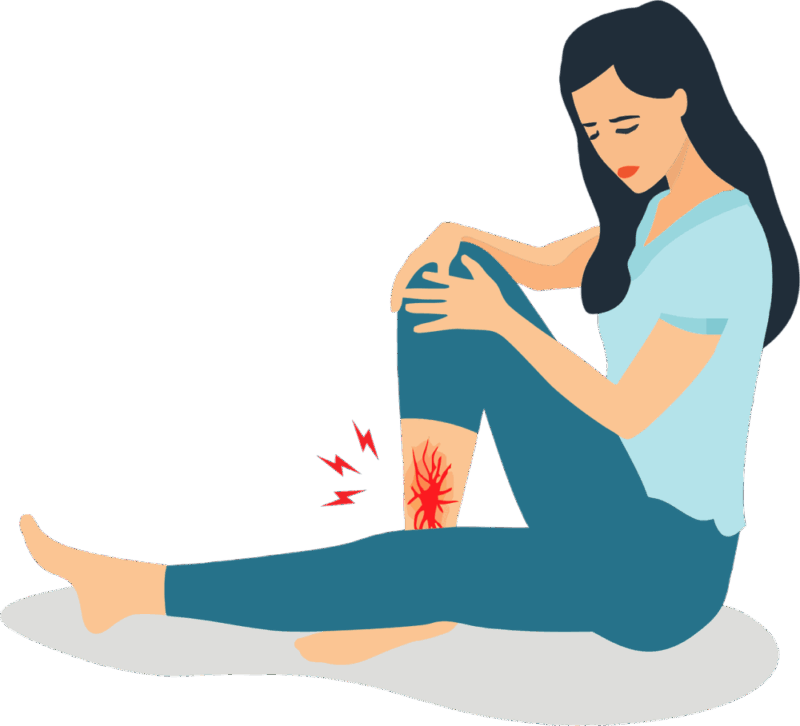
Restless leg syndrome (RLS) is a neurological condition that causes uncomfortable sensations and an overwhelming urge to move the legs, especially at night. As a result, many people experience poor sleep and fatigue. Fortunately, there are home treatments for restless leg syndrome you can do today that can bring real relief. By combining simple daily habits, targeted nutrition, and evidence-based self-care, you can start easing discomfort tonight, without relying solely on medication.
Understanding Restless Leg Syndrome
Before starting treatment, it’s important to understand what’s happening in your body. RLS is linked to irregularities in dopamine signaling, which affects movement, and often to iron deficiency in the brain. Consequently, symptoms usually appear or worsen when you’re at rest and tend to improve when you move. Therefore, adopting habits that promote circulation and support dopamine and iron balance can significantly help.
Home Treatments for Restless Leg Syndrome: Quick Relief Strategies You Can Try Right Now
When restless leg syndrome strikes, it can feel nearly impossible to sit still or fall asleep. The sensations often appear suddenly and can range from tingling to deep aching. Fortunately, several techniques can provide almost immediate relief by calming the nervous system, increasing blood flow, and easing muscle tension. You can use these approaches anytime, anywhere, whether you’re at home, on a plane, or sitting through a long meeting.
1. Move and Stretch Regularly
Gentle movement is one of the fastest and most effective ways to relieve RLS discomfort. Because symptoms worsen during rest, even small movements can make a big difference.
Try standing up and taking a short walk around the room or down the hallway. Walking encourages circulation, helps regulate dopamine activity in the brain, and often reduces the urge to move within minutes. If getting up isn’t possible, flex your ankles, roll your feet, or do seated leg extensions to keep blood flowing.
Stretching your calves, hamstrings, and quadriceps can also help loosen tight muscles that may amplify the restless sensations. For example, performing a simple calf stretch against a wall or doing gentle yoga poses such as Legs Up the Wall or Standing Forward Bend can provide soothing relief.
Additionally, if you experience RLS during long car rides or flights, plan ahead. Try to stand, stretch, or walk every 30–60 minutes. Even small bursts of movement can interrupt the restlessness cycle and prevent the sensations from intensifying later in the evening.
2. Use Heat, Cold, or Massage
Temperature therapy is another simple yet powerful method for easing symptoms. Heat helps relax tight muscles, while cold can reduce nerve activity and numb the unpleasant sensations.
Start by applying a warm compress or heating pad to your calves or thighs for 10–15 minutes. The warmth promotes circulation and can make your legs feel calmer. Some people find even greater relief by alternating between hot and cold, which improves blood flow and desensitizes the area. You can do this in the shower by switching between warm and cool water for several minutes.
Massage adds another layer of comfort. Rubbing your calves in circular motions, using lotion or a massage oil, stimulates the nerves and muscles while releasing natural pain-relieving endorphins. Using a handheld massage gun or a foam roller can also work if your arms tire easily.
For a relaxing bedtime routine, combine these techniques: take a warm bath infused with Epsom salts, gently massage your legs with lotion afterward, and then apply a warm pack before lying down. This sequence not only eases RLS sensations but also prepares your body for better sleep.
3. Distract Your Mind
Restless leg sensations can become worse when you focus on them, so keeping your mind occupied is surprisingly effective. This works because mental engagement competes with sensory signals in the brain, reducing how strongly you perceive the discomfort.
Choose activities that capture your attention without increasing stress. For instance, listening to soothing music, doing deep breathing exercises, or reading a light-hearted book can redirect your focus. Many people also find success with puzzles, audiobooks, or podcasts, which keep the brain active but the body still.
In addition, mental relaxation techniques such as progressive muscle relaxation or guided meditation can calm both the mind and body. These methods lower cortisol levels and help the nervous system settle down, an important step since stress often worsens RLS symptoms.
If symptoms strike while watching TV or working on your computer, try combining mental distraction with light movement. For example, you might slowly roll your ankles or stretch your legs under the desk while focusing on your activity. This dual approach often stops the restlessness cycle before it gains momentum.
Putting It All Together
These quick relief strategies work best when you combine them thoughtfully. For example, you might start by stretching and walking, then use a warm compress while listening to calming music. Layering movement, temperature therapy, and mental relaxation can deliver stronger, longer-lasting relief.
Keep a small “RLS relief kit” near your bed, including a heating pad, lotion for massage, and a foam roller, so you can act quickly when symptoms arise. The sooner you respond, the easier it is to calm your legs and return to restful sleep.
Home Treatments for Restless Leg Syndrome: Lifestyle Changes That Help Long-Term
Quick fixes can stop restless legs in the moment, but lasting relief usually requires consistent lifestyle habits. Restless leg syndrome tends to be a chronic condition, meaning that it can flare up repeatedly if underlying triggers aren’t addressed. Fortunately, making a few daily lifestyle changes can significantly reduce how often and how severely symptoms occur. The key is consistency, small improvements practiced every day can lead to noticeable long-term benefits.
1. Improve Your Sleep Hygiene
A solid night’s sleep is essential for calming your nervous system and managing RLS symptoms. Poor or irregular sleep can worsen leg restlessness and make sensations feel more intense. Therefore, building a stable sleep routine is one of the best long-term home treatments for restless leg syndrome.
Start by going to bed and waking up at the same time each day, even on weekends. This consistency helps regulate your circadian rhythm and signals your body when it’s time to rest. Additionally, keep your bedroom cool, dark, and quiet to create the ideal sleep environment.
Avoid stimulating activities right before bed. For instance, try turning off electronic screens at least 30–60 minutes before sleeping, as blue light interferes with melatonin production. Instead, unwind with a warm bath, gentle stretching, or deep breathing exercises. These simple changes can dramatically improve your ability to fall asleep and stay asleep, which, in turn, helps minimize RLS discomfort over time.
2. Exercise in Moderation
Regular physical activity helps improve circulation, balance dopamine levels, and promote deeper sleep, all of which support RLS management. However, the type and timing of exercise matter.
Moderate activities like walking, swimming, cycling, or yoga have been shown to ease symptoms when done consistently. Try aiming for at least 30 minutes of movement on most days. That said, intense workouts too close to bedtime can overstimulate your muscles and worsen restlessness at night. Therefore, schedule vigorous exercise earlier in the day and use evenings for lighter activities such as stretching or yoga.
If you’re new to exercise, start slow. Even gentle movement throughout the day, such as taking the stairs instead of the elevator or doing calf raises while brushing your teeth, helps improve blood flow. Over time, these habits build muscle tone and resilience, which can reduce the severity of leg sensations.
3. Cut Common Triggers
Many people unknowingly make their RLS worse through everyday habits. Certain foods, drinks, and substances can overstimulate the nervous system or interfere with iron absorption, both of which can aggravate symptoms.
Caffeine is one of the most common culprits. Found in coffee, tea, chocolate, and many sodas, it can make it harder to relax and may intensify leg twitching. Try cutting back gradually and observe whether your symptoms improve within a week or two.
Similarly, alcohol and nicotine can both interfere with dopamine function and sleep quality. While alcohol might initially make you feel drowsy, it often causes fragmented sleep and worsens RLS later in the night. Meanwhile, nicotine constricts blood vessels and can heighten sensations of restlessness.
Additionally, some medications are known to trigger or worsen RLS symptoms, including certain antidepressants, antihistamines, and anti-nausea drugs. If you suspect your medication might be contributing, never stop taking it abruptly; instead, talk to your healthcare provider about possible alternatives.
By identifying and minimizing these triggers, you give your nervous system a better chance to stabilize and your legs a greater opportunity to rest peacefully.
4. Maintain a Balanced Diet
Your diet can also play a surprisingly large role in how your legs feel. Eating a variety of nutrient-rich foods supports healthy nerve and muscle function. Include sources of iron, magnesium, and folate, as deficiencies in these nutrients are sometimes associated with RLS.
For example, iron-rich foods like lean red meat, spinach, lentils, and fortified cereals can help replenish low iron stores. Pair these with foods high in vitamin C (such as oranges, strawberries, or bell peppers) to boost absorption. Meanwhile, limiting processed foods high in sugar or salt may also help stabilize nerve activity and prevent inflammation that can worsen symptoms.
Staying hydrated is equally important. Dehydration can cause muscle cramps and intensify restlessness, especially at night. Therefore, aim to drink water consistently throughout the day, but reduce fluid intake an hour before bed to avoid nighttime trips to the bathroom.
5. Manage Stress and Mental Fatigue
Stress often acts as a silent trigger for restless leg syndrome. When your mind is tense, your body does the same thing, tightening muscles, increasing adrenaline, and reducing your ability to relax. Incorporating stress-reduction techniques into your daily life can greatly improve RLS control and overall well-being.
Consider adding mindfulness meditation, deep breathing, or gentle yoga into your morning or bedtime routine. These practices calm your nervous system and may reduce the intensity of symptoms. Moreover, engaging in relaxing hobbies, such as gardening, drawing, or listening to soft music, provides a mental break and lowers cortisol levels.
For those who struggle with persistent anxiety or insomnia, cognitive behavioral therapy (CBT) can be very effective. CBT teaches you to reframe stressful thoughts and replace them with calming responses, making it easier to fall asleep and manage RLS triggers over time.
6. Keep a Daily Routine and Track Symptoms
Finally, structure and awareness go a long way in managing RLS. Keeping a consistent routine, including regular meal times, sleep, and exercise, trains your body’s internal clock and reduces the unpredictability of symptoms.
In addition, keep a symptom diary to track when and where sensations occur, what foods you ate, what medications you took, and what helped or worsened the condition. Over time, patterns will emerge, allowing you to make smarter lifestyle adjustments.
For instance, you might discover that late-night caffeine, skipped workouts, or stress at work are your biggest triggers. Recognizing these connections empowers you to make small but powerful changes that can lead to lasting improvement.
The Bottom Line on Lifestyle Changes
These long-term home treatments for restless leg syndrome may not deliver instant results, but they build a foundation for calmer nights and healthier days. By improving your sleep hygiene, exercising wisely, cutting triggers, and managing stress, you support the biological systems that regulate movement and rest. Over time, the payoff is fewer sleepless nights, less discomfort, and a stronger sense of control over your condition.
Home Treatments for Restless Leg Syndrome: When to See a Doctor
Even with consistent home treatments, some people continue to experience restless leg symptoms that disrupt daily life. If your restless legs interfere with sleep, cause persistent fatigue, or seem to worsen over time, it’s important to consult a healthcare provider. Early evaluation not only helps confirm the diagnosis but also rules out other possible causes that mimic restless leg syndrome (RLS).
When Professional Evaluation Becomes Necessary
You should reach out to your doctor if:
-
The discomfort makes it difficult to fall asleep or stay asleep.
-
Your symptoms occur more frequently or feel more intense.
-
Home remedies, such as stretching, massage, or magnesium supplements, stop working effectively.
-
Daytime sleepiness or irritability begins affecting your focus, work, or relationships.
In these cases, a clinician can help pinpoint the root cause and tailor a treatment plan to your specific needs.
What Your Doctor May do During the Evaluation
Your doctor will likely begin by reviewing your overall health and lifestyle habits. They may:
-
Test your iron and ferritin levels: Low ferritin, even within the “normal” range, is strongly linked to RLS. Correcting iron deficiency through supplements or dietary changes can dramatically reduce symptoms.
-
Review your medications: Certain drugs, such as antihistamines, some antidepressants, and antipsychotics, can worsen RLS sensations. Your doctor may suggest alternatives or dosage adjustments.
-
Recommend targeted treatments: If iron therapy doesn’t resolve symptoms, your physician may consider prescription medications that act on dopamine or calcium channels, both of which help regulate muscle activity and nerve signaling.
When Symptoms Require Urgent Care
While RLS itself is not life-threatening, sudden changes in your symptoms deserve attention. For example, new pain, numbness, weakness, or burning sensations in the legs could indicate a different medical condition, such as peripheral neuropathy or circulation problems. These issues require prompt evaluation to prevent complications.
In summary, consulting a healthcare professional ensures you’re not only managing restless legs effectively but also addressing any underlying causes that may be contributing to the discomfort. With the right guidance, treatment, and follow-up, most people find significant relief and regain control over their sleep quality and daily energy.
Home Treatments for Restless Leg Syndrome: What Science Says
Modern research continues to shed light on the complex biology behind restless leg syndrome (RLS) and how non-drug approaches can make a measurable difference. Scientists now recognize that lifestyle changes, such as moderate exercise, massage, heat therapy, and consistent sleep hygiene, can significantly ease discomfort and improve quality of life for many people living with RLS.
Evidence for Lifestyle and Behavioral Treatments
Several studies have shown that regular physical activity helps improve circulation and modulates dopamine pathways, both of which play a key role in reducing RLS symptoms. For example, a 2023 review published in Sleep Medicine Reviews found that moderate aerobic exercise and lower-body stretching reduced symptom severity and improved sleep quality in adults with RLS (Sleep Medicine Reviews).
Similarly, massage therapy and heat application have been shown to stimulate sensory nerves, distract the brain from abnormal leg sensations, and promote relaxation before bedtime. When used consistently, these approaches not only reduce discomfort but may also help limit the need for medication in mild to moderate cases.
The Central Role of Iron
Among all non-drug interventions, iron supplementation has the strongest scientific backing, particularly for individuals with low ferritin levels (a marker of iron storage). Research from the American Academy of Sleep Medicine confirms that even mild iron deficiency can contribute to RLS by disrupting dopamine function in the brain, which helps regulate muscle movement and sensory perception (Neurology Advisor).
In fact, clinical guidelines now recommend that anyone with RLS symptoms should have their ferritin levels tested, even if blood counts appear normal. When levels fall below 75 µg/L, oral or intravenous iron therapy often leads to dramatic symptom improvement within weeks.
The Takeaway from Current Evidence
In short, science supports a multi-faceted approach: pairing healthy lifestyle habits with targeted medical evaluation. Exercise, massage, and sleep-friendly routines help manage day-to-day symptoms, while addressing iron deficiency targets the biological root of the condition. Therefore, a combination of these strategies tends to yield the most consistent and long-lasting relief.
Quick Checklist: Home Treatments for Restless Leg Syndrome You Can Do Today
If you’re ready to take control of your restless leg symptoms, start with these simple, evidence-based steps. Each action targets a different aspect of the condition, circulation, nerve health, and relaxation, helping you feel more comfortable day and night.
Stretch and Walk When Discomfort Starts
Gentle movement increases blood flow to the legs and helps calm the tingling or crawling sensations associated with restless leg syndrome (RLS). Try standing up, walking around the room, or doing light calf and hamstring stretches whenever symptoms begin. Even a few minutes of movement can reset your nerves and bring noticeable relief.
Use Heat or Cold packs to Soothe your Legs
Alternating between warmth and coolness helps relax tight muscles and reduce sensory irritation. Apply a warm compress, heating pad, or cold gel pack to your calves for 10–15 minutes. Heat tends to relax muscles, while cold can numb the uncomfortable sensations, choose whichever feels best for you.
Keep a Consistent Bedtime and Avoid Caffeine
A regular sleep schedule trains your brain to expect rest at a specific time, which reduces nighttime restlessness. Avoid caffeine and alcohol for at least 4–6 hours before bed since both can interfere with dopamine balance and make RLS symptoms worse. Instead, wind down with calming rituals like dimming lights, deep breathing, or light reading.
Exercise Moderately During the Day
Daily physical activity supports circulation and helps regulate dopamine levels, which are crucial for muscle and nerve function. Focus on moderate-intensity exercises such as brisk walking, cycling, or yoga. However, avoid high-intensity workouts too close to bedtime, they can temporarily worsen symptoms for some people.
Check your Iron levels with a Doctor
Low iron or ferritin levels are one of the most common underlying causes of restless leg syndrome. Ask your healthcare provider to test your ferritin levels even if your standard iron results appear normal. If they’re low, your doctor may recommend iron-rich foods or supplements to restore balance and ease symptoms.
Try Relaxation or Mindfulness Before Bed
Stress and tension often make RLS worse. Incorporating relaxation techniques such as deep breathing, mindfulness meditation, or progressive muscle relaxation before bed can help calm your mind and body. These practices also improve sleep quality, which is essential for managing RLS long-term.
By following this quick checklist daily, you can reduce symptom flare-ups, sleep more soundly, and feel more energized in the morning. Small, consistent steps often make the biggest difference in breaking the cycle of restlessness and fatigue.
Conclusion
You don’t have to live with sleepless nights, tingling legs, or the constant urge to move. Relief is possible, and often begins with a few simple changes you can make right now. By consistently applying these home treatments for restless leg syndrome you can do today, you can gradually calm your legs, improve your sleep quality, and restore your energy levels.
Start by incorporating small, sustainable habits into your daily life. For instance, gentle evening stretches, warm baths, and a steady sleep schedule can make a noticeable difference over time. Pair these habits with mindful lifestyle choices, such as cutting back on caffeine, improving iron intake, and practicing relaxation techniques, to help balance your body’s natural rhythms.
Remember, improvement often happens gradually. Every night you practice self-care brings your body closer to a state of rest and restoration. With consistency and attention to your body’s needs, your nights can become peaceful again, and your mornings more energized.
If your symptoms persist despite these efforts, don’t hesitate to speak with a healthcare professional. They can assess your iron levels, review your medications, and provide tailored treatments that complement your home routine. In most cases, combining medical guidance with lifestyle adjustments delivers the best long-term results.
Frequently Asked Questions (FAQ)
1. What are the best home treatments for restless leg syndrome?
The most effective home treatments for restless leg syndrome (RLS) include regular stretching, moderate exercise, warm baths, leg massages, and good sleep hygiene. Heat or cold therapy and magnesium or iron-rich foods can also help. These non-drug methods aim to improve blood flow, relax muscles, and reduce nerve irritation.
2. Can lifestyle changes really help with restless leg syndrome?
Yes. Studies show that consistent lifestyle changes, such as avoiding caffeine, reducing alcohol, exercising moderately, and maintaining a regular sleep schedule, can significantly reduce RLS symptoms. Combining these habits with iron monitoring and stress reduction offers the best long-term results.
3. What vitamin or mineral deficiencies are linked to RLS?
Low iron and ferritin levels are strongly associated with restless leg syndrome. In some cases, magnesium, folate, and vitamin D deficiencies may also play a role. Your doctor can perform blood tests to check these levels and recommend safe supplements if needed.
4. How can I calm restless legs at night?
To calm restless legs at night, try gentle calf stretches, take a warm bath before bed, and massage your legs with a warming lotion. Keeping your bedroom cool, dimming the lights, and practicing slow breathing can also help your nervous system relax and prepare for sleep.
5. Are there quick relief techniques when symptoms start suddenly?
Yes. Walking, stretching, or lightly massaging your legs can offer almost immediate relief. Alternating between warm and cold compresses may also help calm the sensations. Distracting your mind with relaxing activities, like listening to soft music or reading, can reduce the urge to move.
6. When should I see a doctor for restless leg syndrome?
You should consult a doctor if your symptoms interfere with sleep, cause daytime fatigue, or worsen over time. Seek medical help immediately if you develop pain, numbness, or weakness, as these could indicate another underlying condition.
7. Does exercise make restless leg syndrome worse?
Light to moderate exercise generally helps reduce RLS symptoms. However, overexertion, especially intense workouts close to bedtime, can sometimes make symptoms worse. Aim for gentle, consistent movement earlier in the day for best results.
8. Is restless leg syndrome curable?
While there’s currently no definitive cure for RLS, symptoms can be effectively managed. Many people find significant relief through lifestyle adjustments, iron supplementation (if needed), and proper sleep habits. For persistent cases, medical treatments can help control the condition.
9. Can restless leg syndrome go away on its own?
In some mild or temporary cases, such as those caused by pregnancy or medication, RLS can resolve once the underlying trigger is addressed. However, chronic cases often require ongoing management through lifestyle habits and medical care.
10. What foods help reduce restless leg syndrome symptoms?
Foods rich in iron, magnesium, and folate may help improve symptoms. Include leafy greens, beans, lentils, fish, poultry, and whole grains in your diet. Avoid excessive caffeine, alcohol, and processed foods, which can interfere with nerve and muscle function.
Disclaimer
This article is intended for informational and educational purposes only and should not be taken as medical advice. The home treatments and lifestyle strategies discussed are not a substitute for professional diagnosis, treatment, or medical care. If you experience persistent, worsening, or severe restless leg syndrome symptoms, consult a qualified healthcare provider or sleep specialist.
Do not start, stop, or change any medications or supplements without first seeking medical guidance. Everyone’s health situation is unique, and what works for one person may not be appropriate for another. The author and publisher are not responsible for any adverse effects or outcomes resulting from the use or application of the information presented here.
For personalized care and accurate diagnosis, always speak with your healthcare professional.
References
-
Mayo Clinic: Restless Legs Syndrome: Diagnosis & Treatment
-
PubMed: Nonpharmacologic Approaches to Restless Legs Syndrome
-
Mayo Clinic: The Management of Restless Legs Syndrome: An Updated Algorithm
-
Consensus: Pneumatic Compression Devices for Restless Legs Syndrome
-
Neurology Advisor: American Academy of Sleep Medicine Guidelines Update: Restless Leg Syndrome
-
Science Direct: Sleep Medicine Reviews