
Home remedies to manage mild menstrual cramps without painkillers can offer gentle and effective relief for many people who prefer natural alternatives. Menstrual cramps (dysmenorrhea) affect a large number of menstruating individuals and can sometimes disrupt daily activities. While over-the-counter painkillers are often effective, natural approaches may provide comfort without medication. In this article, you’ll discover evidence-informed strategies, practical safety tips, and easy-to-follow suggestions you can try at home. However, if your symptoms become severe, unusual, or persistent, it’s important to consult your healthcare provider for proper evaluation and care.
Understanding Mild Menstrual Cramps
Mild menstrual cramps typically present as a dull, throbbing pain or mild spasms in the lower abdomen, sometimes radiating to the lower back or thighs. These cramps are usually strongest on the first 1–2 days of bleeding and may accompany symptoms like fatigue, bloating, or mild nausea.
Cramps are caused by uterine contractions triggered by prostaglandins (hormone-like compounds). Higher prostaglandin levels are associated with more intense uterine activity and increased pain.
When the pain is mild and not interfering significantly with daily activities, many people prefer to try home remedies to manage mild menstrual cramps without painkillers.
Lifestyle and Physical Remedies to Manage Mild Cramps
These non-pharmacologic strategies are often the first line in managing cramps. They can be used alone or alongside gentler therapies.
Apply Heat and Warmth
One of the simplest and most effective methods is applying heat to your lower abdomen or back. Heat helps relax uterine and pelvic muscles, increasing blood flow and reducing cramping. Studies suggest that heat may be almost as effective as some analgesics for menstrual pain relief.
You can use:
-
A heating pad or electric heat patch
-
A hot water bottle
-
A warm bath
Additionally, one observational study found that regular intake of hot water during menstruation was associated with reduced cramp severity.
Tip: Use moderate heat (not scalding), for 15–20 minutes at a time, and reapply as needed.
Gentle Exercise and Movement
Although it may seem counterintuitive to move when you feel achy, light aerobic activity and stretching can increase blood circulation and stimulate the release of endorphins (natural pain modulators). A systematic review found that exercise produces large effects in reducing menstrual pain compared to no treatment.
Good choices include:
-
Walking
-
Light jogging
-
Gentle yoga or stretching
-
Swimming
Try simple poses such as child’s pose, supine knees-to-chest, or gentle pelvic tilts.
Abdominal Massage and Acupressure
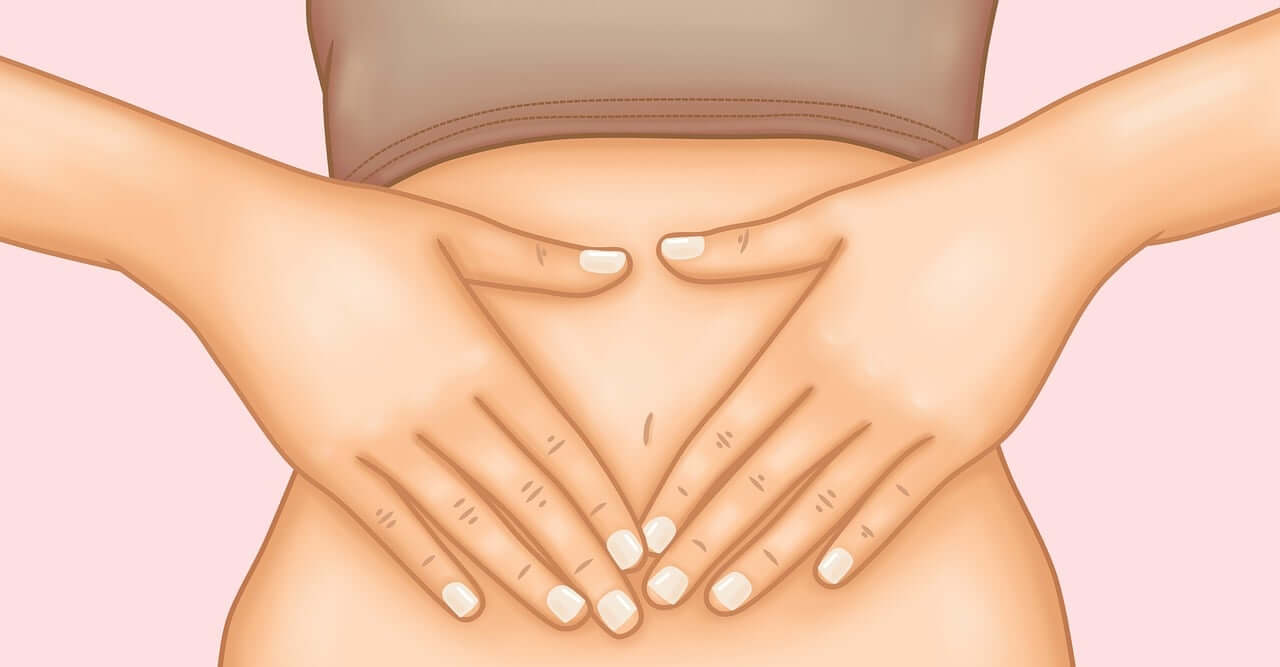
Massaging the lower abdomen in circular motions may help ease muscle tension and reduce cramping. Some small trials have shown benefit from massage or acupressure compared with placebo.
Acupressure (pressing key points, such as Spleen 6 or Stomach 36) has also been proposed, though evidence is limited.
Manage Stress and Relaxation
Stress and tension can heighten pain perception. Techniques such as deep breathing, progressive muscle relaxation, mindfulness meditation, or guided imagery can help lower sensitivity to pain and relax muscles.
Sleep and Rest
Adequate rest helps your body cope better with pain signals. Try to maintain good sleep hygiene and, if cramps intensify, rest in a position that eases tension (such as lying on your side with knees drawn up).
Dietary and Nutritional Remedies
Your diet and nutrient intake can influence inflammation, muscle tone, and prostaglandin production. While none of these are guaranteed cures, they may help reduce mild cramping when combined with other methods.
Anti-Inflammatory Diet and Omega-3s
Foods rich in omega-3 fatty acids (such as flaxseed, chia seeds, walnuts, fatty fish) may reduce prostaglandin-driven inflammation. Some small trials suggest fish oil supplements reduce menstrual pain more than placebo.
Additionally, consuming abundant fruits, vegetables, whole grains, and limiting processed foods, sugar, caffeine, and excessive salt tends to dampen systemic inflammation.
Hydration and Warm Fluids
Staying hydrated is important. Warm herbal teas or lukewarm water can promote comfort and might help relax uterine muscle contractions. One small study associated regular hot water intake with improved cramp relief.
Key Vitamins and Minerals
Some nutrients have preliminary evidence of benefit in dysmenorrhea. Use caution and ideally consult a provider before introducing any supplements.
-
Magnesium: Several small trials report relief in menstrual pain using magnesium versus placebo.
-
Vitamin B1 (Thiamine): One larger trial showed B1 reduced pain more than placebo.
-
Vitamin B6: One small trial showed more effectiveness than placebo.
-
Vitamin E: Some limited trials suggest benefit when combined with other therapies, but evidence is weak.
Do not exceed recommended daily allowances, and avoid supplementation without medical supervision.
Herbs and Supplements (Gentle Options)
Several herbs and natural compounds have been studied for their ability to reduce menstrual discomfort. Because evidence varies and interactions are possible, use with caution and ideally under guidance.
Ginger (Zingiber officinale)
Ginger is one of the best-studied herbs for menstrual pain. Meta-analyses and clinical trials suggest it significantly reduces pain severity compared to placebo, and in some studies, its effect is comparable to ibuprofen.
Typical usage includes 500–1,000 mg powdered ginger (split doses) or fresh ginger tea.
Cinnamon, Fennel and Combinations
A meta-analysis of several RCTs found that cinnamon, fennel, or combined herbal formulas (such as cinnamon + fennel + ginger) effectively reduced pain intensity and that cinnamon also shortened pain duration.
Fennel has antispasmodic properties and may lower uterine contractions.
Chamomile
Chamomile (like Matricaria chamomilla) has mild anti-prostaglandin and anti-spasm effects. A systematic review indicates it may help reduce cramping and menstrual bleeding.
Turmeric, Boswellia, Sesame Combination
In a more recent trial, a softgel formulation combining turmeric, boswellia, and sesame (1,000 mg total) delivered significantly greater pain relief than placebo over 6 hours.
Other Herbs / Emerging Options
-
Pycnogenol (French maritime pine bark extract): Some studies suggest benefit at 60 mg/day.
-
Vitex / Chasteberry (Vitex agnus-castus): Used more commonly for premenstrual symptoms, but some herbal formulas are being studied for menstrual pain.
-
Combination herbal formulas: Some proprietary blends (such as “Menstrugol,” containing saffron, celery, anise) have been trialed and showed promise.
Important safety note: Herbs can interact with medications, affect hormonal balance, or have side effects. Always consult your healthcare provider before starting any herbal or supplement regimen, especially if you are pregnant, breastfeeding, or on medications.
Practical Tips for Daily Comfort
In addition to the main home remedies to manage mild menstrual cramps without painkillers, these everyday habits can help reduce discomfort and support long-term menstrual health:
-
Stay Hydrated: Aim for at least 6–8 glasses of water daily. Hydration helps reduce bloating and muscle tension.
-
Limit Caffeine and Salty Foods: Both can increase bloating and cramp intensity. Choose herbal teas or water instead.
-
Use a Heating Pad Before Bed: Applying heat for 15–20 minutes in the evening can help prevent next-day cramps.
-
Try Gentle Yoga or Stretching: Poses like Child’s Pose, Cat-Cow, or Reclined Twist can release pelvic tension.
-
Keep a Symptom Journal: Tracking your pain levels, diet, and stress can help identify triggers and patterns.
-
Plan Ahead: If your cycles are regular, start self-care methods, like heat therapy or magnesium-rich meals, a day or two before your period begins.
-
Prioritize Rest and Relaxation: Adequate sleep and stress management support hormonal balance and recovery.
These simple adjustments, combined with consistent natural remedies, can make your menstrual cycles more manageable and predictable, without relying on painkillers.
When to Seek Medical Advice
While home remedies to manage mild menstrual cramps without painkillers are often safe and effective, there are times when self-care may not be enough. It’s important to recognize when your symptoms go beyond what’s considered normal menstrual discomfort. Seeking timely medical attention can help identify underlying conditions and prevent complications.
You should contact your healthcare provider if:
-
The pain becomes severe or disabling.
If your cramps are so intense that you can’t perform daily activities, or if the pain lasts longer than usual, this may indicate an underlying medical issue that requires evaluation. -
You experience irregular bleeding or heavy soaking.
Bleeding that soaks through pads or tampons every hour, lasts longer than seven days, or occurs between periods may signal hormonal imbalances, fibroids, or other uterine concerns. -
You notice unusual symptoms such as fever, foul-smelling discharge, or pelvic pain outside your period.
These could be signs of infection, such as pelvic inflammatory disease (PID), which needs prompt medical care. -
You suspect an underlying condition like endometriosis, fibroids, or ovarian cysts.
These disorders can cause recurring or worsening cramps that don’t respond to typical remedies. A gynecologist can perform imaging or lab tests to confirm a diagnosis and recommend appropriate treatment options.
Even if your symptoms are mild, it’s wise to discuss them with your doctor during routine checkups. They can help determine whether your cramps are part of a normal menstrual cycle or if further testing is necessary.
Final Thoughts
Managing menstrual cramps doesn’t always mean turning to painkillers. With consistency, mindfulness, and the right blend of natural remedies, you can help your body maintain balance and find relief safely at home. Each menstrual cycle is unique, so take time to observe what works best for you and adjust your self-care routine accordingly.
At HealthHomeRemediesGuide.com, our goal is to empower you with evidence-informed, gentle, and practical solutions that nurture your well-being, naturally. Whether it’s through nutrition, relaxation techniques, or holistic remedies, small everyday choices can make a meaningful difference in how you feel throughout your cycle.
Frequently Asked Questions
1. What are the best home remedies to manage mild menstrual cramps without painkillers?
Some of the most effective natural remedies include applying heat, engaging in gentle exercise, drinking herbal teas (like ginger or chamomile), maintaining a balanced diet, and practicing stress-reduction techniques such as yoga or meditation. These methods can help relax muscles, improve circulation, and reduce inflammation.
2. How quickly do home remedies work for menstrual cramps?
Relief can vary from person to person. Some people notice improvement within minutes to a few hours after applying heat or stretching, while dietary and lifestyle changes may take a few cycles to show consistent benefits. Patience and regular practice are key for long-term results.
3. Are herbal remedies safe for managing mild cramps?
Many herbs, such as ginger, chamomile, cinnamon, and fennel, have been shown in studies to reduce mild menstrual pain. However, herbal supplements can interact with medications or medical conditions. Always check with your healthcare provider or pharmacist before starting any new herbal remedy.
4. Can diet really make a difference in period pain?
Yes. Eating foods rich in magnesium, omega-3 fatty acids, and antioxidants can help reduce inflammation and muscle tension. Limiting caffeine, salty snacks, and processed foods also supports hormone balance and lessens bloating during your period.
5. When should I see a doctor for menstrual cramps?
If your pain becomes severe, persistent, or disrupts your daily life, it’s time to talk to a healthcare professional. You should also seek medical advice if you experience heavy bleeding, fever, foul-smelling discharge, or pelvic pain outside your period, as these may signal conditions like endometriosis or fibroids.
6. Can exercise help even if I feel tired during my period?
Yes, gentle movement such as walking, stretching, or yoga can actually boost circulation and release endorphins, which act as natural pain relievers. The key is to listen to your body and choose exercises that feel supportive, not exhausting.
7. Are home remedies enough, or should I still use painkillers sometimes?
For mild menstrual cramps, home remedies often provide adequate relief. However, if painkillers like ibuprofen or acetaminophen are occasionally needed, that’s perfectly fine, especially if recommended by your doctor. The goal is to find a balanced approach that keeps you comfortable and functional.
Disclaimer
The information provided in this article, “Home Remedies to Manage Mild Menstrual Cramps Without Painkillers,” is for educational and informational purposes only. It is not intended to replace professional medical advice, diagnosis, or treatment.
Always seek the guidance of your physician or qualified healthcare provider with any questions you may have regarding your health, menstrual symptoms, or before starting any new treatment, supplement, or home remedy.
If you experience severe pain, heavy bleeding, fever, or other unusual symptoms, contact a healthcare professional promptly. HealthHomeRemediesGuide.com does not claim to cure, treat, or diagnose any medical condition and assumes no responsibility for how information in this article is used.
Similar Articles
- Home Remedies for UTI: Natural Relief and Prevention
- How to Use Fermented Foods at Home to Improve Gut Health Naturally
- Best Herbal Teas for Better Digestion and Gut Health (Updated 2025 Guide)
- Natural Remedy for Acid Reflux at Night
References
- Mayo Clinic: Home Remedies: Managing menstrual cramps
- Journal of Pharmaceutical Research International: An Evaluation of Hot Water Intake and Relief from Menstrual Cramps among Healthy Females
- PubMed Central (PMC): The effectiveness of self-care and lifestyle interventions in primary dysmenorrhea
- Mayo Clinic: Menstrual cramps
- PubMed: Herbal and dietary therapies for primary and secondary dysmenorrhoea
- PubMed Central (PMC): Efficacy of herbal medicine (cinnamon/fennel/ginger) for primary dysmenorrhea
- VeryWell Health: Fennel and Fennel Seeds: A Look at the Benefits
- PubMed Central (PMC): The Effect of Chamomile on Pain and Menstrual Bleeding in Primary Dysmenorrhea
- PubMed Central (PMC): Effect of Turmeric–Boswellia–Sesame Formulation in Menstrual Cramp Pain Associated with Primary Dysmenorrhea
- Healthline: 6 Home Remedies and OTC Options to Help with Period Cramps
- Reprocell: Evaluating the Spasmolytic Effects of BNO 1095: A Promising, Herbal Candidate for Treatment of Primary Dysmenorrhea
- PubMed Central (PMC): Effect of Medicinal Herbs on Primary Dysmenorrhoea
- MedicalNewsToday: Natural remedies for relieving menstrual cramps, and when to seek help