
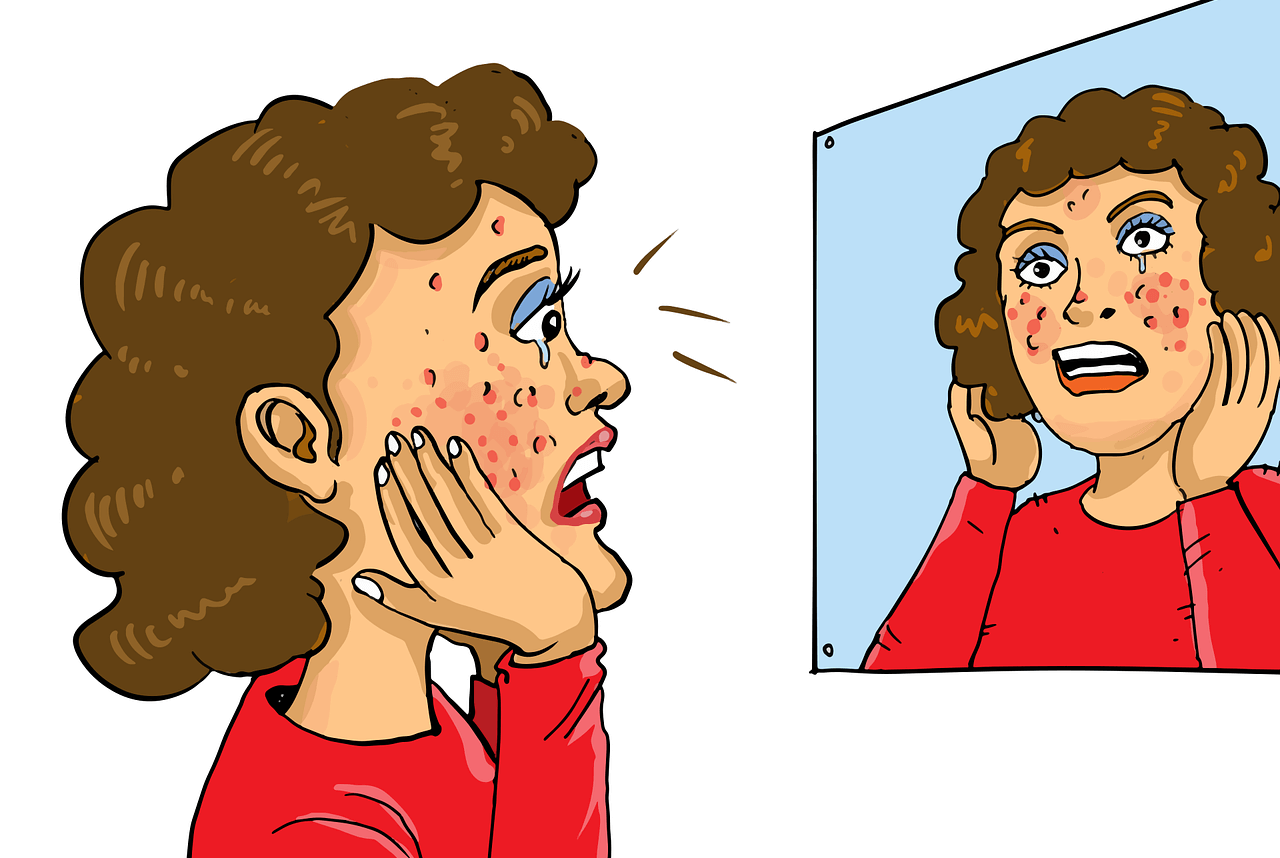
Hormonal breakouts are frustrating, persistent, and often show up where you least want them, along the jawline, chin, and lower cheeks. If you’re searching for Home Remedies for Hormonal Acne Flareups: What Ingredients Really Help, this article gives an evidence-based, ready-to-publish guide that explains which topical ingredients and gentle home strategies have the best data, how to use them safely, and when to see a clinician.
What is “hormonal acne”
Hormonal acne is typically driven by fluctuations in androgens (male hormones) that increase sebum production and clog pores. It commonly appears in adults, especially women, around the lower face and jawline, and often flares with menstrual cycles, pregnancy, or certain medical conditions (like PCOS). For persistent or severe cases, medical options such as combined oral contraceptives, spironolactone, or prescription retinoids are commonly used, but many people try topical or OTC measures first.
Home Remedies for Hormonal Acne Flareups: The Evidence-based Shortlist
While countless natural ingredients promise clearer skin, only a few have real scientific support behind them. The following evidence-based home remedies for hormonal acne flareups combine proven effectiveness, safety, and ease of use, making them reliable options for managing mild to moderate breakouts at home.
1. Azelaic Acid: A Gentle Multitasker
Why it helps:
Azelaic acid is one of the most versatile and dermatologist-approved ingredients for acne-prone skin. It targets several acne triggers at once, reducing bacteria, unclogging pores, and calming inflammation. Additionally, it helps fade post-acne hyperpigmentation and dark spots, promoting a more even skin tone over time. Because it’s naturally derived from grains like barley and wheat, it’s also well-tolerated by most skin types, including sensitive skin.
How to use it:
Apply a 10–15% azelaic acid serum or cream twice daily as tolerated. Start once daily if your skin is new to actives, and increase gradually. Azelaic acid pairs beautifully with niacinamide or retinoids and is safe to use during pregnancy. Over consistent use, you’ll notice smoother texture, reduced redness, and fewer hormonal breakouts.
2. Adapalene (Retinoid): A Proven Acne Preventer
Why it helps:
Adapalene is a third-generation retinoid that helps regulate skin cell turnover. By doing so, it keeps pores clear and prevents new acne from forming. Moreover, it helps speed up the healing of existing pimples and improves overall skin texture. Unlike older prescription retinoids, adapalene is available over the counter and tends to cause less irritation, making it ideal for adult hormonal acne.
How to use it:
Begin by applying a pea-sized amount every other night, allowing your skin to adjust. Once tolerated, increase to nightly use. Because retinoids can cause dryness or mild purging in the beginning, always follow with a non-comedogenic moisturizer. Avoid using harsh scrubs or other strong acids on the same nights to prevent irritation.
3. Benzoyl Peroxide: An Effective Antibacterial
Why it helps:
Benzoyl peroxide (BPO) is one of the most effective ingredients for targeting Cutibacterium acnes, the bacteria responsible for acne inflammation. It works by oxygenating pores, which kills bacteria and reduces redness. Unlike antibiotics, it does not cause bacterial resistance. Furthermore, it can help clear active blemishes within just a few days of consistent use.
How to use it:
Use a 2.5–5% formulation once daily, either as a leave-on treatment or a short-contact wash. Higher concentrations aren’t necessarily more effective and may cause irritation, so it’s best to start low. Always follow up with a fragrance-free, non-comedogenic moisturizer to restore hydration.
4. Salicylic Acid: The Pore Penetrator
Why it helps:
Salicylic acid, a beta hydroxy acid (BHA), is oil-soluble, allowing it to penetrate deep into pores where excess sebum and dead cells accumulate. This helps prevent blackheads, whiteheads, and future breakouts. It also provides gentle exfoliation, improving skin smoothness and brightness.
How to use it:
Apply a 0.5–2% salicylic acid serum, toner, or gel once daily. If you’re using stronger actives like retinoids or azelaic acid, alternate them to minimize irritation. Salicylic acid can also be used as a spot treatment on stubborn blemishes or congested areas such as the chin and jawline, common sites for hormonal acne flareups.
5. Niacinamide: The Skin Barrier Booster
Why it helps:
Niacinamide (vitamin B3) is a powerhouse ingredient that supports nearly every aspect of skin health. It regulates oil production, soothes inflammation, and strengthens the skin’s natural moisture barrier. Moreover, it helps brighten dullness and reduce post-inflammatory hyperpigmentation, a common concern for those recovering from hormonal acne flareups.
How to use it:
Apply a 2–5% niacinamide serum twice daily, ideally before your moisturizer. It pairs well with almost every other skincare ingredient, including retinoids, azelaic acid, and ceramides. Because it’s calming, niacinamide can help reduce redness or irritation caused by stronger actives in your routine.
6. Tea Tree Oil: Nature’s Antimicrobial
Why it helps:
Tea tree oil is a natural antibacterial and anti-inflammatory essential oil derived from the Melaleuca alternifolia plant. Research suggests that 5% tea tree oil gel can improve mild to moderate acne, although results vary from person to person. It may not work as quickly as benzoyl peroxide, but it tends to cause less dryness when diluted properly.
How to use it:
Always use diluted formulations (about 5%) or purchase pre-formulated tea tree skincare products. Never apply pure essential oil directly to your face, as it can cause irritation or chemical burns. Perform a patch test on your inner arm first to ensure your skin tolerates it before widespread use.
7. Zinc: The Anti-Inflammatory Mineral
Why it helps:
Zinc is a trace mineral that supports immune balance and regulates oil production in the skin. It also exhibits mild antibacterial and anti-inflammatory effects. Both oral zinc supplements and topical zinc creams have shown moderate success in reducing acne inflammation, especially when combined with other treatments.
How to use it:
If using topical zinc, apply a thin layer of zinc-based cream or lotion once or twice daily. For supplements, consult a healthcare provider first, as high doses of zinc can interfere with copper absorption and cause gastrointestinal upset. A balanced approach under professional supervision ensures safe and effective results.
Building a Simple and Effective Routine
When managing hormonal acne flareups, simplicity is your best ally. A consistent, minimal routine helps your skin heal without overwhelming it with too many actives. Here’s how to combine home remedies and science-backed ingredients safely for clearer, calmer skin.
Morning Routine
Start your morning by setting the tone for balance and protection:
-
Cleanse gently with a pH-balanced face wash.
Choose a mild, sulfate-free cleanser to remove excess oil without stripping your skin’s natural barrier. This helps minimize inflammation and keeps breakouts from worsening. -
Apply niacinamide serum, followed by azelaic acid or a lightweight moisturizer.
Niacinamide helps regulate sebum production and calm redness, while azelaic acid works to unclog pores and fade dark spots. If your skin feels dry, add a light, non-comedogenic moisturizer for hydration without clogging pores. -
Always finish with a broad-spectrum SPF 30 or higher.
Sun protection is crucial when using actives like azelaic acid or niacinamide, as UV rays can worsen inflammation and pigmentation. A mineral sunscreen with zinc oxide or titanium dioxide is especially gentle for acne-prone skin.
Evening Routine
At night, your skin enters repair mode, an ideal time to apply treatments that target deeper hormonal acne flareups:
-
Cleanse thoroughly to remove sunscreen, sweat, and oil buildup.
Consider a double cleanse if you wear makeup or sunscreen: first with a gentle oil cleanser, then a mild foaming wash. This ensures your pores stay clear and your skin can absorb treatment ingredients effectively. -
Alternate nights between adapalene and azelaic acid or benzoyl peroxide.
Adapalene (a retinoid) helps regulate cell turnover and prevent clogged pores, while azelaic acid and benzoyl peroxide fight acne-causing bacteria and inflammation. Alternating them helps reduce irritation while maximizing results. -
Use salicylic acid spot treatments as needed.
When a breakout appears, dab on a small amount of salicylic acid gel or patch. This helps dry out active blemishes and minimize redness without harming surrounding skin.
Keep It Simple and Consistent
By keeping your skincare routine minimal yet consistent, you reduce the risk of irritation and allow each ingredient to work effectively. Overloading your skin with too many products can lead to sensitivity, dryness, or rebound breakouts.
Additionally, always patch-test new products on a small area before full use. This step helps you identify potential reactions early and ensures your skin adjusts gradually to active ingredients.
When used correctly, these home remedies for hormonal acne flareups can significantly improve skin clarity and texture over time, but patience and consistency are essential for lasting results.
Do Diet and Lifestyle Affect Hormonal Acne?
Emerging research suggests that diet can influence acne severity. Specifically, low-glycemic diets and limiting dairy products, especially skim milk, may reduce hormonal flareups in some individuals. Furthermore, adding foods rich in omega-3 fatty acids and antioxidants may help lower inflammation.
Although supplements like zinc, omega-3s, and probiotics show mild benefits, they should complement, not replace, a well-balanced diet and topical routine.
When Home Remedies Aren’t Enough
Even with consistent use of natural remedies and lifestyle changes, hormonal acne flareups sometimes persist. When breakouts become cystic, painful, or start leaving scars, it’s a sign that your skin may need more targeted medical support. Additionally, if acne is affecting your confidence or emotional well-being, seeking professional help can make a major difference in both skin health and overall quality of life.
Why Professional Treatment May Be Necessary
Hormonal acne often stems from deeper imbalances that topical remedies alone cannot fully address. While natural ingredients like tea tree oil, zinc, and green tea extract can calm inflammation and reduce mild breakouts, more severe cases may require prescription-strength options that regulate hormones from within.
Dermatologists and healthcare providers can assess whether your acne is being driven by androgen sensitivity, excess sebum production, or menstrual cycle fluctuations. Based on this assessment, they can recommend personalized treatments that go beyond what over-the-counter products can achieve.
Common Hormone-Targeting Medications
When home treatments plateau, dermatologists may prescribe one or more of the following hormone-balancing medications to bring your acne under control:
-
Combined Oral Contraceptives (COCs)
These medications work by stabilizing hormonal fluctuations, particularly androgens that trigger oil gland activity. Over time, they can significantly reduce breakouts on the lower face, jawline, and chin, areas commonly affected by hormonal acne. Studies have shown that certain COCs containing both estrogen and progestin can noticeably improve acne after several months of consistent use. -
Spironolactone
This oral anti-androgen medication helps block androgen receptors, which reduces excess oil production and inflammation. It’s often prescribed for adult women with persistent hormonal acne, especially when breakouts flare up around the menstrual cycle. Because spironolactone can affect potassium levels and blood pressure, it requires regular medical monitoring.
When to Consult a Dermatologist
If you’ve been diligent with your home remedies for hormonal acne flareups for several months and haven’t seen clear improvement, it’s time to seek a dermatologist’s guidance. A board-certified dermatologist can help identify underlying hormonal or metabolic issues, such as polycystic ovary syndrome (PCOS) or insulin resistance, that may be fueling your acne.
Additionally, professional treatments like chemical peels, blue light therapy, or topical retinoids can be combined with prescription medications for faster and more sustainable results.
Key Do’s and Don’ts for Hormonal Acne Care
Successfully managing hormonal acne requires patience, consistency, and the right habits. While ingredients matter, how you use them can make the difference between progress and persistent breakouts. Below are essential do’s and don’ts to help you navigate your skincare routine safely and effectively.
Do:
Introduce One New Product at a Time
It’s tempting to try several acne-fighting products at once, but your skin needs time to adjust. Introducing multiple actives together can make it hard to identify what’s working, or what’s causing irritation. Instead, start with one new product every two to three weeks, giving your skin time to respond before adding another. This slow approach also helps you build a stable and effective routine.
Apply Sunscreen Daily When Using Acids or Retinoids
Sunscreen is a must for anyone dealing with acne, especially if you’re using exfoliating acids, benzoyl peroxide, or retinoids. These ingredients can make your skin more sensitive to UV damage. Without protection, you risk hyperpigmentation, dryness, and premature aging. Therefore, apply a broad-spectrum SPF 30 or higher every morning, even on cloudy days. A lightweight, oil-free sunscreen formulated for acne-prone skin helps prevent clogged pores and further breakouts.
Use Non-Comedogenic Moisturizers and Makeup
Even oily or acne-prone skin needs hydration. When your skin becomes too dry, it compensates by producing more oil, which can worsen breakouts. Choose non-comedogenic (meaning it won’t clog pores) and fragrance-free moisturizers to balance your skin barrier. Similarly, look for oil-free, mineral-based makeup products labeled as “non-acnegenic.” Regularly cleaning your brushes and removing makeup before bed further prevents pore buildup and irritation.
Don’t:
Pop or Squeeze Deep Pimples
Popping pimples may feel satisfying, but it often leads to inflammation, infection, and scarring. Deep cystic acne, in particular, forms under the skin and can worsen with pressure. Instead, use a warm compress to reduce swelling or apply a spot treatment containing benzoyl peroxide or salicylic acid. If you struggle with painful cysts, consider seeing a dermatologist for a professional extraction or cortisone injection to speed up healing safely.
Layer Too Many Harsh Actives at Once
More is not always better when it comes to skincare. Combining strong actives, like retinoids, acids, and benzoyl peroxide, can strip your skin’s protective barrier, leading to redness, dryness, and peeling. For best results, alternate between actives instead of layering them. For example, use adapalene (retinoid) at night and azelaic acid or niacinamide in the morning. This balanced approach minimizes irritation while maintaining consistent progress.
Expect Overnight Results, Consistency Is Key
Hormonal acne doesn’t disappear in a week, no matter how promising a product sounds. Because acne forms beneath the skin’s surface long before you see it, it can take 6–12 weeks for real improvement to show. Stay patient and consistent with your skincare routine, and avoid switching products too quickly. Over time, steady effort yields the clearest and most lasting results.
Final Thoughts
Managing hormonal acne flareups at home requires patience and a science-backed approach. With the right combination of ingredients, such as azelaic acid, niacinamide, and adapalene, you can reduce breakouts, calm inflammation, and restore skin balance over time. However, if home remedies fail to control your acne or scarring occurs, don’t hesitate to seek professional help.
Remember, clear skin is a journey, not a race. Consistency, gentle care, and realistic expectations will lead to lasting improvements.
Frequent Asked Questions (FAQ)
1. What causes hormonal acne flareups?
Hormonal acne flareups are caused by fluctuations in androgens, which increase oil (sebum) production. This excess oil, combined with dead skin and bacteria, clogs pores and leads to inflammation and breakouts, especially around the jawline and chin.
2. Can home remedies really help hormonal acne?
Yes, several home remedies supported by research, such as azelaic acid, niacinamide, salicylic acid, and tea tree oil, can help manage hormonal acne. However, consistent use and gentle skincare habits are essential for visible improvement.
3. What is the best ingredient for hormonal acne?
Azelaic acid is one of the best ingredients for hormonal acne because it targets bacteria, inflammation, and dark spots simultaneously. Retinoids like adapalene and anti-inflammatory agents such as niacinamide also complement results effectively.
4. Does diet affect hormonal acne?
Diet can influence hormonal acne in some people. High-glycemic foods and excessive dairy intake may worsen breakouts, while omega-3-rich and antioxidant foods can support clearer skin.
5. How long do home remedies take to work on hormonal acne?
Most home remedies take at least 6–12 weeks of consistent use to show visible improvement. It’s important to stay patient and avoid switching products too often, as your skin needs time to adjust.
6. When should I see a dermatologist for hormonal acne?
You should see a dermatologist if your acne becomes cystic, painful, or leaves scars. Persistent acne that doesn’t respond to home remedies may benefit from prescription treatments like spironolactone or oral contraceptives.
Disclaimer
This article is intended for informational and educational purposes only and does not substitute professional medical advice, diagnosis, or treatment. Always seek the guidance of a qualified healthcare provider, dermatologist, or licensed medical professional before starting any new skincare routine, supplement, or treatment for acne or other skin conditions.
Results from home remedies and over-the-counter ingredients may vary depending on individual skin type, hormone balance, and overall health. Do not use this information to replace prescribed medication or delay professional medical care.
If you experience severe acne, scarring, allergic reactions, or irritation from any product or ingredient mentioned, discontinue use immediately and consult a healthcare professional.
Health Home Remedies Guide and the author assume no responsibility for any adverse effects resulting from the use or misuse of information presented in this article.
Similar Articles
- Winter Dry Skin Remedies: Simple Home Treatments for Relief
- Home Remedies for Itchy Scalp: Effective Natural Treatments for Lasting Relief
References
-
American Academy of Dermatology (AAD): Acne clinical guideline.
-
Mayo Clinic: Acne (overview of topical and systemic options).
-
PubMed Central (PMC): A Comprehensive Review of Azelaic Acid Pharmacological Properties, Clinical Applications, and Innovative Topical Formulations
-
PubMed Central (PMC): Topical azelaic acid, salicylic acid, nicotinamide, sulphur, zinc and fruit acid (alpha‐hydroxy acid) for acne
-
Cleveland Clinic: How Spironolactone Helps Hormonal Acne